

The most successful fantasy baseball managers are often the most active. Though using RotoWire's fantasy baseball draft kit to put together the best team possible is critical to success, the reality is your team will change often throughout the 162-game marathon. A significant part of that is trading. Whether it's selling high on a player you don't trust or buying a player you believe will break out and help in certain categories, trading is an art that requires a little bit of luck and a lot of homework.
It can also change significantly based on the type of league you're in. We'll be focusing on re-draft leagues, but know that fantasy baseball dynasty rankings will be important for teams looking toward the future and wanting to sell. For re-draft leagues, trading means focusing just on the short term as they position themselves to better compete for the current season.
Selling High: How to Spot the Right Moment
Selling high is always tough because fantasy baseball managers will need to decide if a hot stretch is for real or fool's gold. There's no exact science here, but managers can look at advanced metrics for hitters like BABIP and see if it's significantly higher than league average. If it is, regression is likely. The same goes for pitchers whose xFIP is higher than their actual ERA. If pitchers have gotten lucky on a few wins despite pitching poorly, you likely can sell him to another manager who isn't looking as closely.
Typically players taken in later rounds, with lower fantasy baseball auction values, are susceptible to hot stretches that aren't sustainable. That's also true for more veteran players, who are less likely to truly break out than younger players.
In more seasoned leagues, this strategy is less likely to work. But that's where the human element comes into play. Hype around certain players can fool even the best fantasy baseball managers, letting you swoop in and get a great deal done.
"The best time to sell high is when human emotion might be involved, such as right before a prospect makes his big-league debut, or right after a player gets traded to a potentially better situation, or a situation his new owner might prefer," said RotoWire baseball expert James Anderson.
Buying Low: When to Target Someone Else's Problem
Buying low is a risky action but one that can seriously pay off. Fantasy baseball managers tend to get frustrated with picks who get off the slow starts. The same advanced stats are important to target players who have been "unlucky" during certain stretches. One difference in buying low is identifying players who always tend to start the season slow, whether due to shaking off rust or colder weather in certain cities. It may sound silly, but it's a real thing.
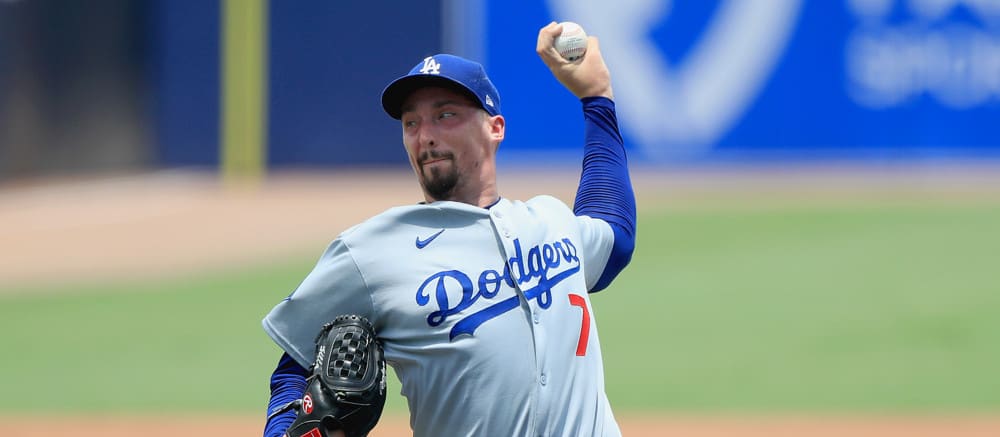
One example is Carlos Correa, who has a career OPS of .758 in March/April, but explodes to .834 in May and .917 in June. Blake Snell is the ultimate pitching example: He has a career 3.95 ERA in the first half of the season, but a minuscule 2.33 ERA in the second half. If you can locate these annual slow starters, you may be able to get them at a discount and enjoy the ride once they heat up.
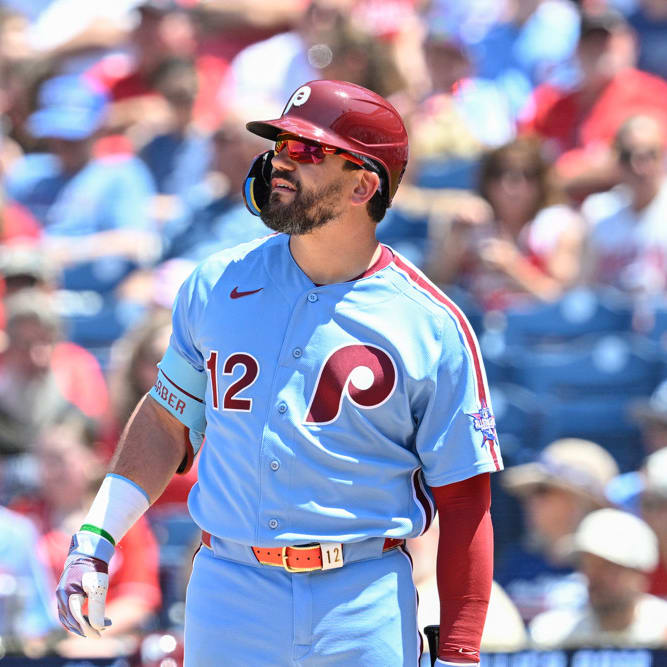
"In re-draft leagues, trading is less common and less necessary, but a reliable player that a team will need to count on in the 26-31 age range, who is off to a slow start is always a great buy-low target, and there are other cases, like Michael Harris, where they always getting off to slow starts," Anderson said.
Reading Your Team's Window to Compete
Managers in keeper and dynasty leagues should always be active in the trade mark, whether it's selling in a down year or buying when you have a chance to compete. In re-draft leagues, trades may be tougher to come by but can still be accomplished by addressing your team's needs and seeing where you have an overflow of talent in certain categories or positions.
There's never a bad time to trade if you believe it's upgrading your team, and it also means another contender can't grab that player you're after.
Timing Trades Around the MLB Calendar
There are a handful of dates on the MLB calendar that managers should consider as they're sifting through trade possibilities. The obvious one is the MLB trade deadline, where certain players take on bigger roles (or smaller ones) because they've been dealt from MLB teams. If a closer on a bad team is expected to be dealt to a contender and move into a set-up role, you should try to deal him. If a player is expected to be traded, managers can look at MLB depth charts to see which player may get a boost in playing time because of it.
The other window is during call-up season. When rosters expand on Sept. 1, many top prospects get the call to the bigs. Though many of these prospects may not be rostered, some can be difference makers down the stretch if you poach them early enough.
How to Structure a Trade Offer That Actually Gets Accepted
There isn't a more obnoxious fantasy baseball league mate than one who proposes trade offers that only benefit them. You're going to need to give something to get something. Consider what a team needs before proposing something and make it obvious how it will impact their squad. It's OK to pass along a message on why you're offering, but don't try too hard to convince a fellow owner of why they should do the deal or you'll come off as insincere or trying to hide something.
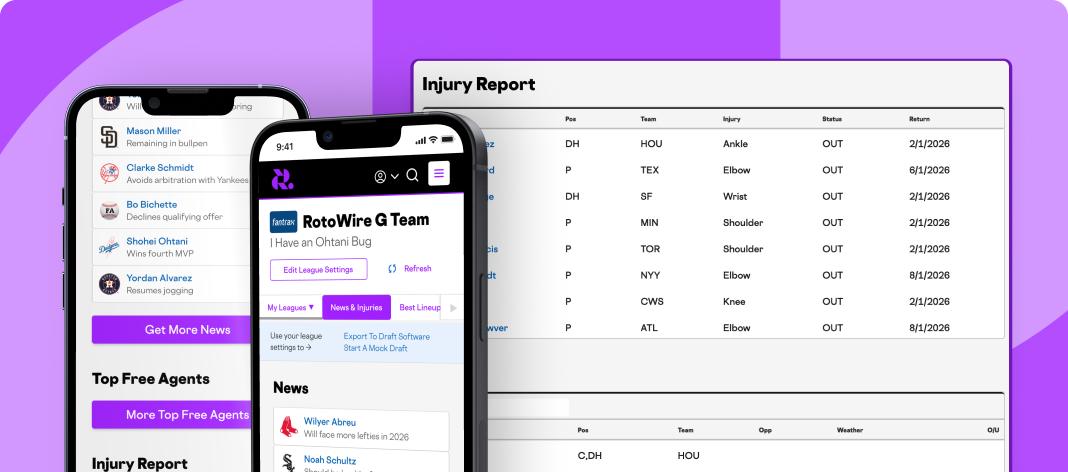
Fantasy baseball managers should subscribe to RotoWire so they're always on top of trade targets that our experts identify. You can also ask questions to those experts to get insight and analysis on potential trades, and fantasy baseball news will give you context around player performance on guys you either want to deal or trade for.