


All fantasy football league types are entertaining, but those who are looking for a true fantasy football draft strategy challenge are inherently drawn to dynasty fantasy football leagues. This type of league is also great for groups of friends that want to trash talk fantasy football all year long.
We'll explain exactly how dynasty fantasy football works. We will detail what makes dynasty leagues different from re-draft leagues, go over startup draft and roster building basics, review the process of annual rookie drafts and year-round management, highlight the trading, waivers and long-term fantasy football rankings elements of dynasty leagues, then close with some tips for new dynasty managers and common pitfalls to avoid.
What Makes Dynasty Different From Re-draft Leagues
The main difference between dynasty leagues and re-draft leagues is that dynasty leagues retain players across multiple seasons. By contrast, re-draft leagues start fresh every season. This change has massive implications for strategy, value and roster construction. It also makes it imperative for fantasy managers to have a dynasty-centric fantasy football cheat sheet.
The long-term point of view in dynasty leagues will also affect the way fantasy managers look at NFL depth charts. Dynasty rosters tend to be larger than re-draft rosters, so backup players who might be overlooked in re-draft leagues can draw plenty of roster interest in a dynasty format.
Startup Draft and Roster Building Basics
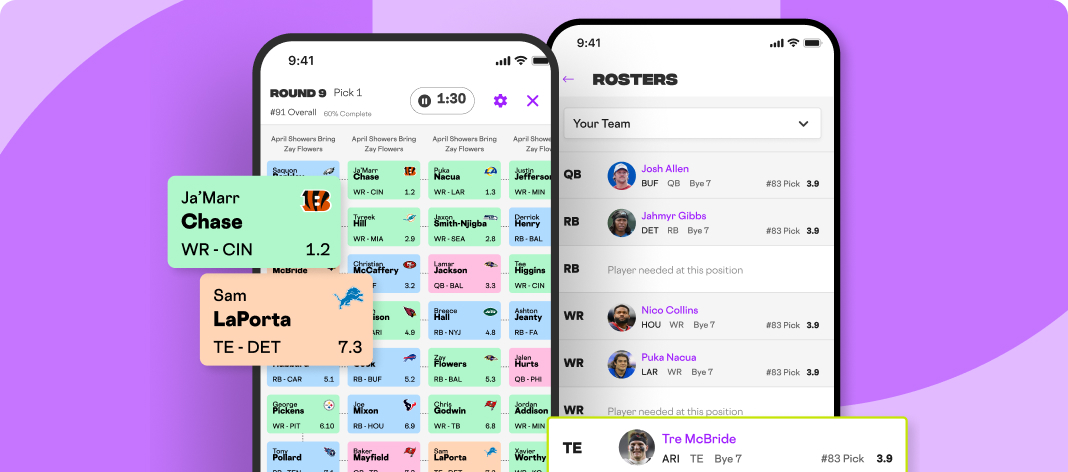
Draft day is important in any fantasy league, but that importance is amplified in dynasty leagues. This is because any move you make in an initial dynasty draft will impact multiple seasons. The fantasy football ADP risk you take in a re-draft league will be forgotten in the following year's draft, but it can haunt you in dynasty leagues for many years to come.
Dynasty draft formats are similar to re-draft formats in that you can go with a snake or auction draft. Some leagues take that one step further and have a hybrid snake/auction draft. Whichever way you go, remember that, in dynasty leagues, you are best served by a draft approach that balances youth (for long-term value) and quality veteran players (for immediate production). If this is your first time in a dynasty league, you will be sure to get ample draft practice via the RotoWire fantasy football mock draft tool.
Annual Rookie Drafts and Year-Round Management
After the initial draft, the most important day on any dynasty manager's fantasy draft calendar is the annual rookie draft. This typically takes place not long after the NFL Draft, although some leagues will wait until closer to the season to dovetail this draft with the re-draft selection process. Whenever you decide to have your draft, be sure to subscribe to RotoWire and consult the RotoWire fantasy football draft kit. This will give you up to date rankings and draft advice at any time of the year.


That full year approach is another standout element of dynasty leagues. Free agency, cap cuts, offseason injuries, trades – every one of these can have an outsized impact on your dynasty team. It's part of what makes dynasty leagues such an enjoyable challenge, as you can improve your team 12 months per year.
Trading, Waivers and Long-Term Strategy
If you are the Trader Joe of your fantasy league, you will enjoy dynasty formats more than anyone else. These leagues usually allow you to make trades throughout the offseason. It's the sort of thing that can make the NFL free agent signing deadline an exciting time for dynasty managers.
When you do make trades in dynasty leagues, be sure to strike a balance between short-term success and future asset growth. You can lean in one direction if the time is right (say you have a team ready to compete for a title), but it may cost your team in the long run if you don't have a plan to offset this potential loss. A good way to navigate these valuations is by consulting the RotoWire fantasy football projections when making trades or waiver pickups in dynasty leagues.
Tips for New Dynasty Managers and Common Pitfalls
Before you get started in a new dynasty league, be sure to look at the various league platforms. Some of these have default settings that will work great for the type of league you and your fellow fantasy managers want to create, but others will work better if you are aiming to customize your league. These customization settings can include a salary cap, the ability to trade future draft picks, free agent auction budget levels, waiver parameters, roster sizes and more. You may also want to set up injured reserve slots so that managers can have competitive balance when the NFL injury report impacts their team.
Our final note on dynasty leagues is a bit of advice on common pitfalls to avoid. Many first-time dynasty managers tend to undervalue rookies because they still think of their value in re-draft league terms. You also want to place a high value on future draft picks. It might seem like a good idea to trade away a draft pick for short-term gain, but it only takes one mistake in this area to make it clear that draft picks are worth their proverbial weight in gold in dynasty formats.