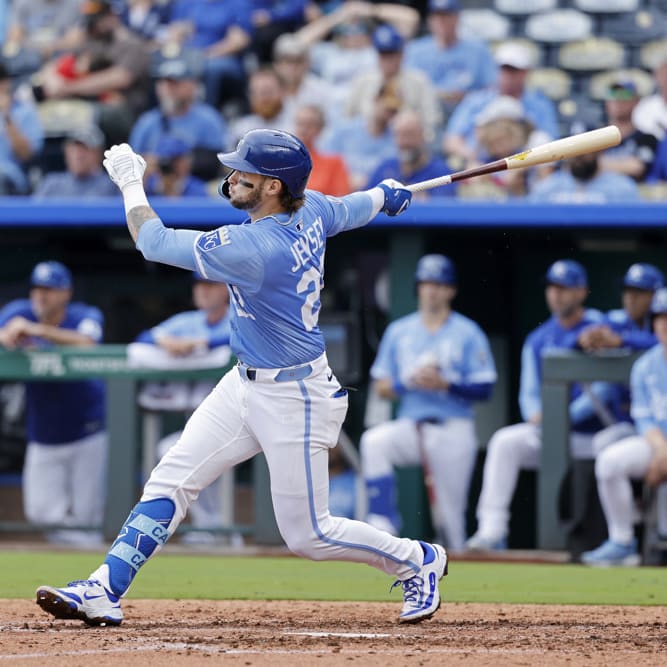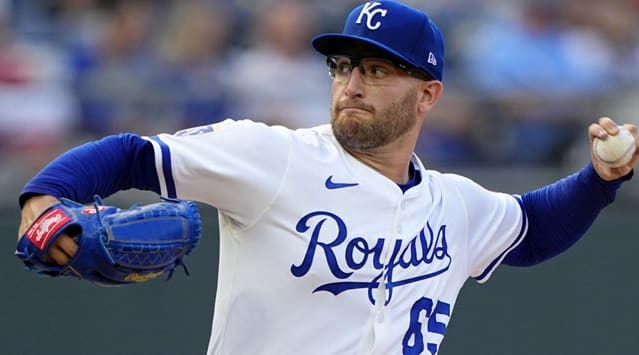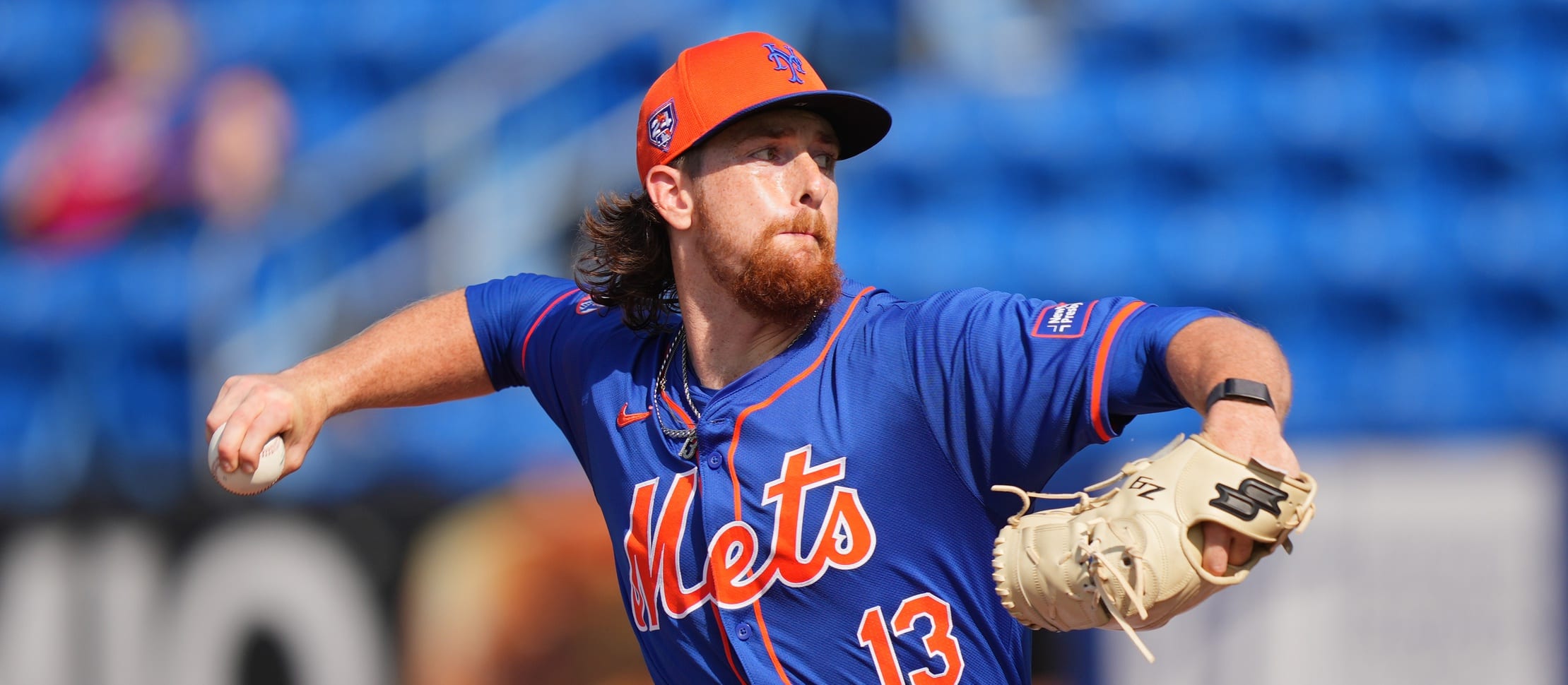


MLB call-ups can make for excitement for fantasy baseball managers. Those who drafted young talent get to bask in the glory of being right, if no one did, there's a mad dash to the waiver wire to pick up a potential difference-maker making their Big League debut. Managers will notice current Minor League players scattered throughout RotoWire's fantasy baseball rankings because the expectation is they'll be called up at some point during the season.
Whether you're in a re-draft league or keeper/dynasty league, it's important to keep an eye on MLB prospect rankings as players inch closer to the Majors. One call-up can shift the landscape of an entire league, and you'll want to be ahead of everyone else in making sure you're set up to acquire those players.
Why MLB Call Ups Matter for Prospect Rankings
Call-ups occur when a prospect in the minor leagues is elevated to a team's active MLB roster. Every team calls up players throughout the year, sometimes because of injuries and some times because a prospect has earned the promotion, and playing time that comes along with it.
The caveat is that it's not always the top-ranked prospects that get called up. Oftentimes the prospects at the top are farther away from being MLB-ready than others lower on the list. So while it's always good to have a handle on who the top prospects are, you'll need to rely on analysis from RotoWire baseball experts to understand which players are closest to getting a call to the Big Leagues.
"The closer a player gets to debuting, the narrower their range of outcomes becomes, and we can often rule out the high-end outcomes as they near the big leagues," said RotoWire baseball expert James Anderson. "So the players farther away often carry higher ceilings, because they haven't shown as many weaknesses."
How Playing Time and Role Changes Impact Prospect Value
Prospects will gain and lose value throughout the season depending on the playing time they're receiving (sometimes at higher levels) and whether their role changes (like a catcher moving to first base or a relief pitcher being stretched into a starter). Though they may feel like small tweaks, it can have a significant impact on their eventual MLB projections, once they do get the call.
Playing time and role can (and likely will) change once players get the call to the big leagues. Where they were playing every day and batting atop the lineup or starting every five days in the minors, they likely will fall into smaller roles at the Big League level. RotoWire's experts will analyze call-ups and their overall situations as they make their way onto the 25-man roster.
"If the prospect is good, the general assumption is for them to eventually settle into a prominent role," Anderson said. "But fantasy managers need to be aware that even some of the best prospects go through growing pains in the majors, and it can be a process as they work to earn a locked-in role."
Performance Samples vs. Long-Term Talent Evaluation
Depending on the type of league you're in, you'll be focusing on different aspects of a player's progress. In re-draft leagues, focusing specifically on Triple-A (and occasionally Double-A) players who are on the cusp of a call-up is important. Tracking their recent performances is also important because it's their only path to the Big Leagues.
In dynasty and keeper leagues, long-term evaluations are critical. Poor short-term performance can happen for a number of reasons, including changes to a batter's or pitcher's mechanics or a move up in competition (from A-ball to Double-A, or Double-A to Triple-A, for example). It's important to keep an eye on prospect rankings to see if poor performance means a hit to where they rank, or whether it's a small blip on a still-positive trajectory. This also includes their first taste of the Majors once they eventually get there.
"When a prospect reaches the majors, the expectation should be for them to struggle initially, unless it's a truly elite prospect," Anderson said. "The longer you play fantasy baseball, the more you will realize you shouldn't expect too much from rookies and not to write-off a good prospect who struggles in their first taste of the majors."
Organizational Decisions That Influence Ranking Movement
Sometimes a team's best prospect is blocked by Major League talent. That's why context really matters when evaluating talent, including an understanding of MLB depth charts and whether there's a spot for them to earn both a call-up and regular playing time.
In 2025, infielder Jordan Lawlar was arguably the game's most ready prospect, but the Diamondbacks had All-Stars at second base (Ketel Marte) and third base (Eugenio Suarez) and a raising superstar at shortstop (Geraldo Perdomo). He was called up briefly in May, but not full-time until August (after Suarez had been traded). Just because a player is ranked highly among prospects doesn't mean he's going to have the quickest route to the Majors.
"This is especially true in very strong organizations," Anderson said. "It's harder for a prospect to break through with the Dodgers, for instance, than with a last-place team that has more playing time available and cares less about performance in the short term."
How Fantasy Managers Should React to Prospect Ranking Changes
Prospect rankings can change drastically over the course of the year. Because these are younger players with much wider ranges of outcomes, as well as new entrants coming each year via the MLB Draft, expect to see plenty of movement from breakthrough prospects while others plateau with their production and drop on boards.
"It's a fine line between being an active churner, where you're willing to add potential breakout prospects before the sample gets large enough for everyone to buy in, vs being patient with your prospects who are off to slow starts or injured," Anderson said. "That's something you'll learn with reps, but prospect rankings give you a full lay of the land to help inform your decisions."
It's important not to make drastic decisions over rankings changes, but you can use those updates alongside RotoWire's fantasy baseball news to read about why a player has risen or fallen and determine if they could eventually make an impact on your team before deciding to add them. RotoWire has the industry's leading prospect rankings and analysis, giving you the best and quickest information on the next crop of great players coming through the pipeline.
You just need to subscribe to RotoWire to be prepared for the season.