All fantasy managers have biases when it comes to fantasy football draft strategy. Some managers like players from certain NFL or college teams. Others prefer swinging for the fences with home run picks, which is the opposite of fantasy managers who would rather play the percentages by stocking their rosters with plenty of high floor options.
Whichever mindset you use when navigating a fantasy football cheat sheet, there are certain biases that every fantasy football manager should avoid. These issues show up in every draft and can hurt any team if you don't take a systematic approach to stay away from them.
Below you will find a list of the most common fantasy football rankings biases to avoid. You will learn how to keep recent performances in their proper perspective, see how not to overreact to hype and training camp buzz, find out how to correctly value big-name players whose past performance may not match their future point totals, get information on properly accounting for league format and scoring differences and review some tidbits on building a strategy rather than blindly following ADP rankings.
Recency Bias from Last Season's Performance
A common bias error is to overvalue a player's most recent stretch of games. This increased point production can result in inflated fantasy football ADP rankings that may not give you the proper return on your draft day investment.
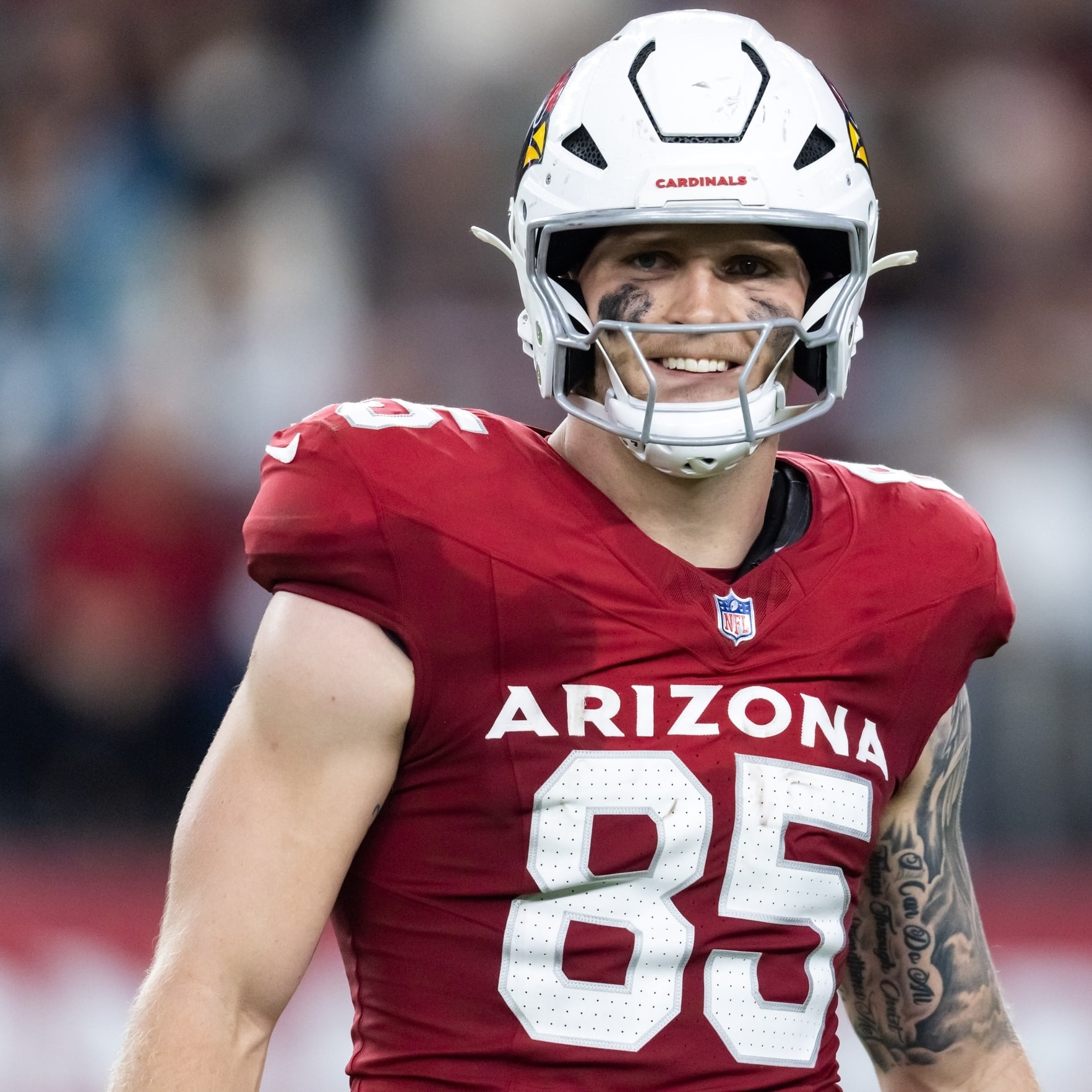
"Jacoby Brissett finished as a top-8 fantasy quarterback in the second half of 2025 after taking over in Arizona," RotoWire fantasy football expert Jim Coventry said, "but that production was largely driven by the Cardinals' defense suffering injuries and forcing the team to throw far more than expected. Be careful not to overdraft a player like Brissett the following season based on a stretch that was more about circumstance than skill."
You need to balance the player's previous year's stats with long-term trends and projected roles. These statistical tendencies and roles are accounted for in the RotoWire fantasy football projections. Pay close attention to how these projections are changing and you should get a much better sense of how to properly value this player's recent production spike.
Overreacting to Hype and Training Camp Buzz
The offseason often doesn't have much news, so every piece of new information, such as an updated NFL injury report, generates a ton of buzz. This buzz increases as the offseason gets closer to training camp and the preseason and will reach a crescendo once preseason games begin.


"When Ja'Marr Chase was a rookie, a training camp narrative about him struggling to track the ball gained so much steam that many managers faded him in drafts," Coventry said. "Chase went on to have a dominant rookie season, proving that some preseason stories are noise that can cost you a league-winning player if you overreact."
Your job as a responsible fantasy manager is to treat this offseason hype and training camp buzz with appropriate levelheadedness. Doing this is a piece of cake if you subscribe to RotoWire and use the various tools available to you via the RotoWire fantasy football draft kit. These will help you verify whether the hype and buzz are worthy of increasing a player's draft value and can give you unmatched depth chart clarity for your fantasy team.
Anchoring to Big Names and Past Reputation
A common error in fantasy drafts occurs when fantasy managers draft a player based on name recognition instead of that player's current role or team context. This can occur even if the player's spot on NFL depth charts is much different than what it was in his previous role.
"Cooper Kupp left the Rams for Seattle in 2025, and many managers overdrafted him based on the memory of his elite seasons," Coventry said. "In reality, Kupp was in deep decline and the Rams had no issue letting him walk. Smart fantasy managers followed the lead of the team that knew him best."
This is why you need to evaluate players based on their projected volume rather than their past fantasy performance. Once you get accustomed to this approach, you will quickly find variances that can work in your favor if you are in a draft with fantasy managers who don't take this enlightened path to success.
Ignoring League Format and Scoring Differences
Another form of rankings bias occurs when managers use generic lists that don't match their scoring settings. While there are some general similarities between league rankings, you are much better served when your fantasy football rankings are customized to your league's scoring type. This applies to every scoring environment, be it PPR, half-PPR or non PPR.
"Many default fantasy football rankings use 0.5 PPR scoring, which devalues high-volume pass catchers in full PPR leagues," said Coventry. "Slot receivers like Khalil Shakir and receiving backs like Travis Etienne were significantly more valuable in PPR formats during 2025, and managers drafting from a generic sheet missed those edges entirely."
You will also need customization for league formats such as Superflex, 2QB, Best Ball or dynasty. These structural adjustments are so great that generic rankings may be off and can actually hurt your team as much as help it. Using these customizations in your fantasy football rankings will also make your RotoWire fantasy football mock draft run-throughs much more valuable.
Following ADP Blindly Instead of Building a Strategy
ADP values can be very useful, but relying solely on fantasy football ADP can create a herd mentality on draft day. It is very easy to fall into this drafting trap, so you need to take proactive steps to assure that this doesn't happen.
The best solution here is to build a draft-day strategy rather than following ADP blindly. This strategy can include blending rankings, projections and your own personal draft preferences to identify value. This combination will provide you with a custom draft-day approach that puts you well ahead of those who simply mirror market trends.