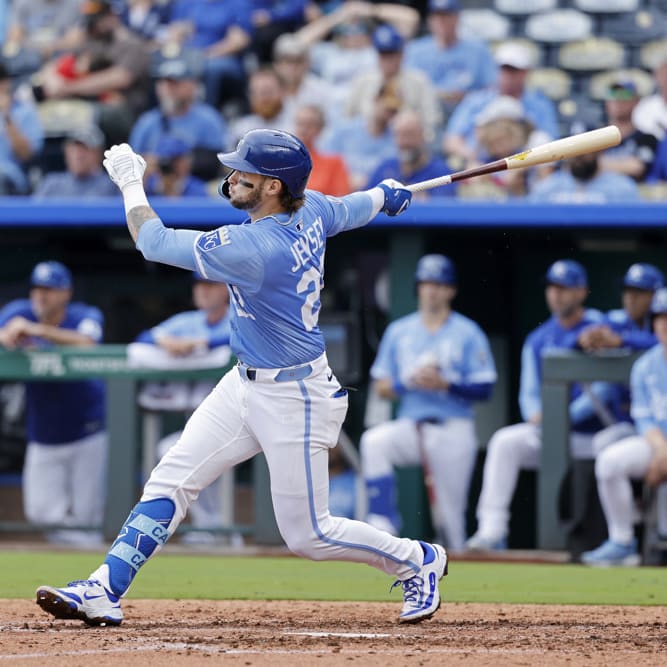
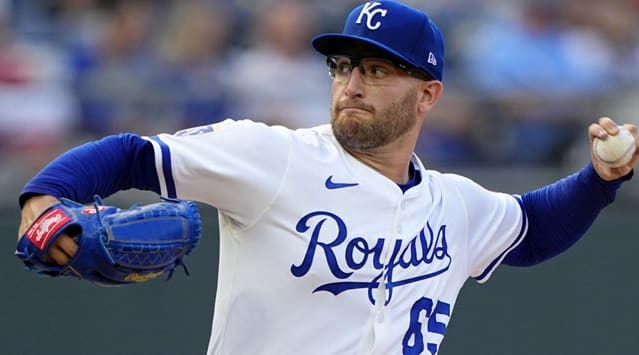
Injuries are inevitable in fantasy baseball, but how managers respond to them when it comes to roster management makes a world of difference. Beyond long-term injuries listed on the MLB injury report, many players will suffer bumps and bruises that keep them out for a game or two but don't require an IL stint, meaning managers can't put them in a designated IL slot on their fantasy baseball roster.
How managers react to those types of injuries can be the difference between winning and losing a week, or falling behind in a specific category. It will require quick thinking and a little luck, but managing short-term injuries is key to fantasy baseball success given the marathon of a 162-game season.
Why Some Injured Players Never Make It to the IL
Official injured list stints require MLB players to miss seven days for concussions, 10 days for batters and 15 days for pitchers. There is also a 60-day IL for more serious injuries. Most injuries don't require a player to miss that much time, which can cause a headache for fantasy baseball managers who will be without that player but unable to move him into a designated IL slot. Essentially that player will be on your bench (or in your lineup) without accruing any MLB player stats.
Finding Reliable Injury Information Before You Act
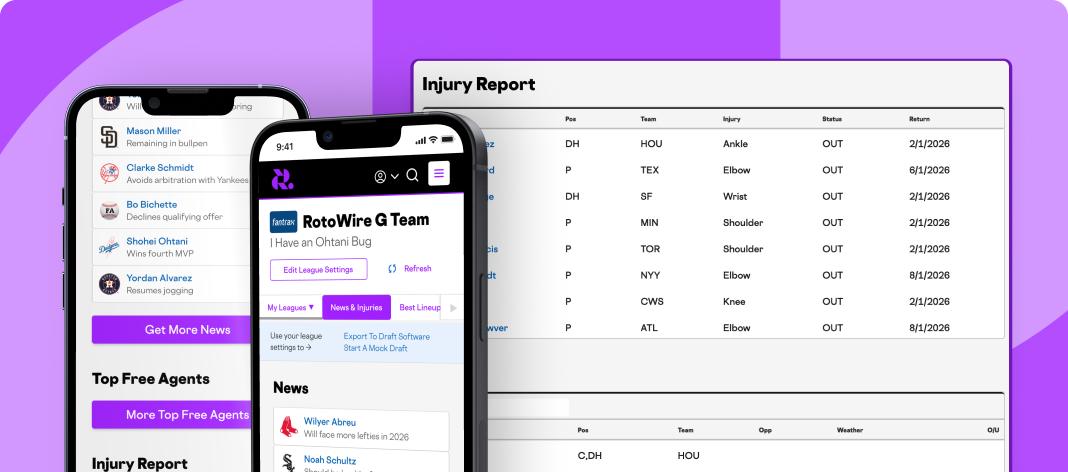
RotoWire is constantly updating its fantasy baseball news, and that includes players who are injured and are expected to miss time (but not require an IL stint). This includes status updates from MLB managers, lineups that teams announce each day, and any changes to MLB depth charts that an injury is causing.
We recommend getting injury information from managers or the players themselves. If a news update is out there, it's great if there's a quote attributed or that it's coming from a beat reporter who covers the team constantly. RotoWire experts then analyze those updates to give players the best prediction on what it will mean for the player and his teammates if that impacts any fantasy decisions, too.
When to Hold onto a Player And How Long Is Too Long
There are a number of factors that go into deciding when to hang onto a player who is banged up but not on the injured list. The first is the severity of the injury. If a player rolled an ankle but is expected to only miss a game or two, you likely won't want to make any rash decisions like cutting or trading them.
That can change if you're in a close weekly matchup where a few counting stats can make the difference between a win and a loss, and if the player in question isn't a real game-changer atop fantasy baseball rankings. Where you are in the season also matters. In April or May, it's good to be patient. If you're chasing the top spot or in the postseason, you can be much more aggressive in cutting an injured player.
League settings will also play a major role. In leagues with deeper benches, simply putting a player on the bench for a handful of days and replacing him in the lineup will work well. If you're in a league with no bench, you'll need to decide if waiting a few days to see if the player moves back into the lineup is worth the lack of stats you'll receive at that slot.
When to Stash And Make the IL Slot Work for You
Stashing an injured player will include many of the same decisions as listed above. One additional factor when deciding whether to stash is how many injured players you have on your roster. If your IL slots are filled and you've already had to go to the waiver wire a few times just to fill the back-end of your roster, you may need to consider cutting bait to get healthy bats in the lineup.
Another team with few injuries may be willing to trade for that injured player because they can take on that risk. We always recommend adding players to the IL once they've received that designation, but you'll also want to know if your league has a cap on transactions. If there is a limit, you'll need to consider whether a drop now is worth the couple of games a player is going to miss or whether you're better riding it out until the player returns.
When to Drop And Cut Your Losses
Not all bumps and bruises are created equal, and knowing what the worse ones are can help you get in front of cutting your losses and moving on from a player. Elbow and shoulder injuries for pitchers and oblique injuries for players often require longer stints than just a few days, even if the latest report says a player isn't expected to miss much time. These types of injuries are nagging and can linger the whole season, so a player may struggle even when they do return to the lineup, rotation or bullpen.
RotoWire's fantasy baseball experts will analyze all relevant injuries to fantasy baseball players to help you make more informed decisions on what to do with them. Generally speaking, patience is best with players only expected to miss a few games, but you'll need to consider the state of your roster and league settings to ultimately make that decision. Make sure to subscribe to RotoWire so you have the latest updates and analysis if and when your players get banged up.