Austin Wells is hitting .178 for the  New York Yankees. His expected slugging percentage is .365. That's a 91-point gap between what Statcast says Wells should be slugging -- based on exit velocity and launch angle on every ball he's put in play -- and what actually shows up in the box score. He leads baseball's unluckiest hitters through July 13, and he's not alone.
We ran expected statistics (xBA, xSLG, and xwOBA) from Baseball Savant for all 256 qualified MLB batters with at least 75 plate appearances and summed the gaps between expected and actual production. We call this the composite luck gap. The bigger the number, the more a hitter's results lag behind the quality of contact they're making. The interactive rankings below are sortable by any metric.
What Is the Luck Gap?
Statcast's expected statistics remove defense, stadium, and luck from the equation. Every batted ball is assigned an expected outcome based on its exit velocity and launch angle, compared against thousands of similar batted balls throughout baseball history. When a hitter's actual results consistently trail those expected outcomes, that's the luck gap -- and the players who run the largest gaps are the most likely to see their numbers move in the second half.
Our composite luck gap equals (xBA − BA) + (xSLG − SLG) + (xwOBA − wOBA). Minimum 75 plate appearances. All 256 qualified batters included in the full rankings widget below.

| Player | Team | Pos | PA | BA gap | SLG gap | wOBA gap | Luck gap |
|---|---|---|---|---|---|---|---|
| 1 Wells, Austin | NYY | C | 220 | −.052 | −.097 | −.056 | |
| 2 Rengifo, Luis | SD | 3B | 211 | −.045 | −.085 | −.051 | |
| 3 Nimmo, Brandon | TEX | RF | 384 | −.030 | −.097 | −.049 | |
| 4 Julien, Edouard | COL | 2B | 247 | −.032 | −.097 | −.045 | |
| 5 Smith, Cam | HOU | RF | 361 | −.036 | −.081 | −.045 | |
| T-6 Seager, Corey | TEX | SS | 219 | −.044 | −.072 | −.043 | |
| T-6 Semien, Marcus | NYM | 2B | 318 | −.041 | −.073 | −.045 | |
| 8 Trout, Mike | LAA | CF | 354 | −.025 | −.084 | −.035 | |
| T-9 Alvarez, Yordan | HOU | DH | 420 | −.017 | −.080 | −.035 | |
| T-9 Butler, Lawrence | OAK | CF | 274 | −.041 | −.055 | −.036 | |
| 11 Baldwin, Drake | ATL | C | 319 | −.021 | −.075 | −.035 | |
| T-12 Burleson, Alec | STL | 1B | 398 | −.021 | −.072 | −.036 | |
| T-12 Ozuna, Marcell | PIT | DH | 250 | −.021 | −.074 | −.034 | |
| 14 McLain, Matt | CIN | 2B | 309 | −.036 | −.058 | −.034 | |
| T-15 Witt Jr., Bobby | KC | SS | 403 | −.025 | −.060 | −.036 | |
| T-15 Vierling, Matt | DET | CF | 262 | −.044 | −.039 | −.038 | |
| T-17 Hoerner, Nico | CHC | 2B | 420 | −.051 | −.034 | −.034 | |
| T-17 Judge, Aaron | NYY | RF | 261 | −.022 | −.067 | −.030 | |
| 19 Vargas, Miguel | CWS | 3B | 409 | −.030 | −.051 | −.035 | |
| 20 Bichette, Bo | NYM | 3B | 413 | −.030 | −.052 | −.033 | |
| 21 Vientos, Mark | NYM | 1B | 254 | −.023 | −.059 | −.030 | |
| 22 Merrill, Jackson | SD | CF | 392 | −.022 | −.058 | −.030 | |
| 23 McNeil, Jeff | OAK | 2B | 294 | −.037 | −.040 | −.030 | |
| 24 Baty, Brett | NYM | DH | 328 | −.015 | −.060 | −.031 | |
| 25 Guerrero Jr., Vladimir | TOR | 1B | 387 | −.025 | −.049 | −.031 |
| Player | Team | Pos | PA | BA gap | SLG gap | wOBA gap | Luck gap |
|---|---|---|---|---|---|---|---|
| 1 Wells, Austin | NYY | C | 220 | −.052 | −.097 | −.056 | |
| T-17 Hoerner, Nico | CHC | 2B | 420 | −.051 | −.034 | −.034 | |
| 2 Rengifo, Luis | SD | 3B | 211 | −.045 | −.085 | −.051 | |
| T-6 Seager, Corey | TEX | SS | 219 | −.044 | −.072 | −.043 | |
| T-15 Vierling, Matt | DET | CF | 262 | −.044 | −.039 | −.038 | |
| T-6 Semien, Marcus | NYM | 2B | 318 | −.041 | −.073 | −.045 | |
| T-9 Butler, Lawrence | OAK | CF | 274 | −.041 | −.055 | −.036 | |
| 23 McNeil, Jeff | OAK | 2B | 294 | −.037 | −.040 | −.030 | |
| 5 Smith, Cam | HOU | RF | 361 | −.036 | −.081 | −.045 | |
| 14 McLain, Matt | CIN | 2B | 309 | −.036 | −.058 | −.034 | |
| 4 Julien, Edouard | COL | 2B | 247 | −.032 | −.097 | −.045 | |
| 19 Vargas, Miguel | CWS | 3B | 409 | −.030 | −.051 | −.035 | |
| 3 Nimmo, Brandon | TEX | RF | 384 | −.030 | −.097 | −.049 | |
| 20 Bichette, Bo | NYM | 3B | 413 | −.030 | −.052 | −.033 | |
| 8 Trout, Mike | LAA | CF | 354 | −.025 | −.084 | −.035 | |
| T-15 Witt Jr., Bobby | KC | SS | 403 | −.025 | −.060 | −.036 | |
| 25 Guerrero Jr., Vladimir | TOR | 1B | 387 | −.025 | −.049 | −.031 | |
| 21 Vientos, Mark | NYM | 1B | 254 | −.023 | −.059 | −.030 | |
| T-17 Judge, Aaron | NYY | RF | 261 | −.022 | −.067 | −.030 | |
| 22 Merrill, Jackson | SD | CF | 392 | −.022 | −.058 | −.030 | |
| 11 Baldwin, Drake | ATL | C | 319 | −.021 | −.075 | −.035 | |
| T-12 Ozuna, Marcell | PIT | DH | 250 | −.021 | −.074 | −.034 | |
| T-12 Burleson, Alec | STL | 1B | 398 | −.021 | −.072 | −.036 | |
| T-9 Alvarez, Yordan | HOU | DH | 420 | −.017 | −.080 | −.035 | |
| 24 Baty, Brett | NYM | DH | 328 | −.015 | −.060 | −.031 |
| Player | Team | Pos | PA | BA gap | SLG gap | wOBA gap | Luck gap |
|---|---|---|---|---|---|---|---|
| 3 Nimmo, Brandon | TEX | RF | 384 | −.030 | −.097 | −.049 | |
| 4 Julien, Edouard | COL | 2B | 247 | −.032 | −.097 | −.045 | |
| 1 Wells, Austin | NYY | C | 220 | −.052 | −.097 | −.056 | |
| 2 Rengifo, Luis | SD | 3B | 211 | −.045 | −.085 | −.051 | |
| 8 Trout, Mike | LAA | CF | 354 | −.025 | −.084 | −.035 | |
| 5 Smith, Cam | HOU | RF | 361 | −.036 | −.081 | −.045 | |
| T-9 Alvarez, Yordan | HOU | DH | 420 | −.017 | −.080 | −.035 | |
| 11 Baldwin, Drake | ATL | C | 319 | −.021 | −.075 | −.035 | |
| T-12 Ozuna, Marcell | PIT | DH | 250 | −.021 | −.074 | −.034 | |
| T-6 Semien, Marcus | NYM | 2B | 318 | −.041 | −.073 | −.045 | |
| T-6 Seager, Corey | TEX | SS | 219 | −.044 | −.072 | −.043 | |
| T-12 Burleson, Alec | STL | 1B | 398 | −.021 | −.072 | −.036 | |
| T-17 Judge, Aaron | NYY | RF | 261 | −.022 | −.067 | −.030 | |
| T-15 Witt Jr., Bobby | KC | SS | 403 | −.025 | −.060 | −.036 | |
| 24 Baty, Brett | NYM | DH | 328 | −.015 | −.060 | −.031 | |
| 21 Vientos, Mark | NYM | 1B | 254 | −.023 | −.059 | −.030 | |
| 14 McLain, Matt | CIN | 2B | 309 | −.036 | −.058 | −.034 | |
| 22 Merrill, Jackson | SD | CF | 392 | −.022 | −.058 | −.030 | |
| T-9 Butler, Lawrence | OAK | CF | 274 | −.041 | −.055 | −.036 | |
| 20 Bichette, Bo | NYM | 3B | 413 | −.030 | −.052 | −.033 | |
| 19 Vargas, Miguel | CWS | 3B | 409 | −.030 | −.051 | −.035 | |
| 25 Guerrero Jr., Vladimir | TOR | 1B | 387 | −.025 | −.049 | −.031 | |
| 23 McNeil, Jeff | OAK | 2B | 294 | −.037 | −.040 | −.030 | |
| T-15 Vierling, Matt | DET | CF | 262 | −.044 | −.039 | −.038 | |
| T-17 Hoerner, Nico | CHC | 2B | 420 | −.051 | −.034 | −.034 |
| Player | Team | Pos | PA | BA gap | SLG gap | wOBA gap | Luck gap |
|---|---|---|---|---|---|---|---|
| 1 Wells, Austin | NYY | C | 220 | −.052 | −.097 | −.056 | |
| 2 Rengifo, Luis | SD | 3B | 211 | −.045 | −.085 | −.051 | |
| 3 Nimmo, Brandon | TEX | RF | 384 | −.030 | −.097 | −.049 | |
| 4 Julien, Edouard | COL | 2B | 247 | −.032 | −.097 | −.045 | |
| 5 Smith, Cam | HOU | RF | 361 | −.036 | −.081 | −.045 | |
| T-6 Semien, Marcus | NYM | 2B | 318 | −.041 | −.073 | −.045 | |
| T-6 Seager, Corey | TEX | SS | 219 | −.044 | −.072 | −.043 | |
| T-15 Vierling, Matt | DET | CF | 262 | −.044 | −.039 | −.038 | |
| T-12 Burleson, Alec | STL | 1B | 398 | −.021 | −.072 | −.036 | |
| T-15 Witt Jr., Bobby | KC | SS | 403 | −.025 | −.060 | −.036 | |
| T-9 Butler, Lawrence | OAK | CF | 274 | −.041 | −.055 | −.036 | |
| 11 Baldwin, Drake | ATL | C | 319 | −.021 | −.075 | −.035 | |
| 19 Vargas, Miguel | CWS | 3B | 409 | −.030 | −.051 | −.035 | |
| 8 Trout, Mike | LAA | CF | 354 | −.025 | −.084 | −.035 | |
| T-9 Alvarez, Yordan | HOU | DH | 420 | −.017 | −.080 | −.035 | |
| 14 McLain, Matt | CIN | 2B | 309 | −.036 | −.058 | −.034 | |
| T-17 Hoerner, Nico | CHC | 2B | 420 | −.051 | −.034 | −.034 | |
| T-12 Ozuna, Marcell | PIT | DH | 250 | −.021 | −.074 | −.034 | |
| 20 Bichette, Bo | NYM | 3B | 413 | −.030 | −.052 | −.033 | |
| 25 Guerrero Jr., Vladimir | TOR | 1B | 387 | −.025 | −.049 | −.031 | |
| 24 Baty, Brett | NYM | DH | 328 | −.015 | −.060 | −.031 | |
| T-17 Judge, Aaron | NYY | RF | 261 | −.022 | −.067 | −.030 | |
| 21 Vientos, Mark | NYM | 1B | 254 | −.023 | −.059 | −.030 | |
| 22 Merrill, Jackson | SD | CF | 392 | −.022 | −.058 | −.030 | |
| 23 McNeil, Jeff | OAK | 2B | 294 | −.037 | −.040 | −.030 |
Stick with RotoWire for the best MLB betting promos all season.
The Five Unluckiest Hitters In Baseball Right Now
#1. Austin Wells, C, New York Yankees
Wells has a .205 composite gap -- the largest in baseball through July 13. His .178 batting average is ugly, but Statcast has him at a .219 xBA and .365 xSLG, a 91-point power gap. Wells isn't hitting it soft; balls just aren't finding holes. For fantasy managers who have been sitting him or shopping him in trade, his underlying contact quality says he's a buy.
#2. Luis Rengifo, 3B,  San Diego Padres
Rengifo was released by Milwaukee and recently selected by the Padres off a minor league deal -- and for good reason. His .201 batting average masks a .252 xBA and .343 xSLG that suggest his contact quality is legitimately better than the results. He's one of three Padres in the top 25, part of a San Diego lineup that Statcast says is significantly underperforming its contact quality across the board.
#3. Brandon Nimmo, RF,  Texas Rangers
With 384 plate appearances, this isn't a small-sample fluke. Nimmo's xSLG sits at .528 against an actual .414 -- a 114-point gap that ranks among the largest power-suppression mismatches for any full-time player on the list. He's one of two Rangers in the top 25 alongside Corey Seager (T-6), giving Texas a compelling "things should be better" storyline heading into the second half.
#4. Edouard Julien, 2B,  Colorado Rockies
Julien is playing his home games at Coors Field -- which should inflate his numbers -- and he's still posting a .207 BA with a .286 slugging percentage. Statcast says his contact quality is worth a .239 xBA and .395 xSLG. A 109-point gap between expected and actual slugging in a hitter-friendly park is a screaming regression signal. Julien's second half is worth watching closely.
#5. Cam Smith, RF,  Houston Astros
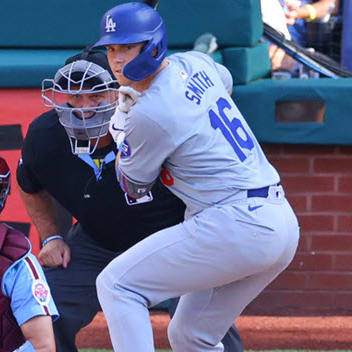
The Astros sophomore has logged 361 plate appearances and is still at .218 BA with a .350 slugging percentage. His xSLG is .462 -- 112 points higher than his actual. Smith is one of two Astros in the top 25 alongside Yordan Alvarez (T-9), which means Houston's lineup as a whole is leaving runs on the field due to bad luck rather than bad hitting.
None of those players are guaranteed to surge in the second half, but MLB odds for their player props could offer value if these players heat up.
Other Team Clusters Worth Noting
Beyond the Mets, six other teams have two players in the top 25:
The Yankees (Wells #1, Judge T-17) have baseball's unluckiest catcher and -- more surprisingly -- its best hitter. Aaron Judge's .600 xSLG vs .533 actual is not a massive gap by this list's standards, but for the sport's premier power hitter, that's meaningful. New York's second-half offense may be considerably better than its first-half results.
The Rangers (Nimmo #3, Seager T-6) are getting their top two bats robbed simultaneously. Seager's .353 actual SLG vs .442 xSLG is a 89-point gap for one of baseball's best shortstops. Two star hitters posting big luck gaps on the same team is a strong collective regression candidate.
The Astros (Smith #5, Alvarez T-9) continue a theme from earlier this season. Alvarez's .749 xSLG vs .634 actual is the biggest power gap for a bonafide star on the list. A lineup that already scares opponents will scare them even more when these numbers normalize.
The Athletics (Butler T-9, McNeil #23) are an underrated storyline. Lawrence Butler's .164 BA vs .235 xBA is one of the most severe contact-to-results disconnects on the list. Jeff McNeil, meanwhile, is actually hitting .282 but slugging only .444 against a .394 expectation -- a rare case where a guy making good contact is getting suppressed on power.
Other Names Worth Watching
Mike Trout (#8, LAA) sits at .144 gap with 354 plate appearances -- his .580 xSLG vs .493 actual is a significant gap for a player whose future value gets debated every season. Drake Baldwin (#11, ATL) is an interesting catcher case: he's actually hitting .295 but his .587 xSLG vs .543 actual suggests he should be slugging even more. And Bobby Witt Jr. (T-15, KC) at .121 gap is perhaps the most surprising name in the lower half -- the Royals shortstop is making contact worth a .465 xSLG and only posting .397 actual.
What This Means for Fantasy Baseball
We're past the All-Star break, which makes this the prime window to act on regression candidates. Sellers in fantasy leagues will be moving players based on first-half batting averages. This list identifies who's genuinely underperforming their contact quality vs. who's just struggling -- a crucial distinction at the trade deadline.
Wells (#1), Semien (T-6), and Julien (#4) are the strongest buy-low candidates with volume already established. Bichette (#20) and Vientos (#21) both have 400+ PA and legitimate second-half cases. Check the RotoWire MLB waiver wire for availability, and use the sortable widget above to filter by BA gap, SLG gap, or wOBA gap depending on your league's scoring format.
Methodology
Data sourced from Baseball Savant's Statcast expected statistics leaderboard through May 14, 2026. Minimum 75 plate appearances (301 qualified batters). Composite luck gap equals (xBA − BA) + (xSLG − SLG) + (xwOBA − wOBA). All 25 players verified active MLB roster as of July 13, 2026.
Christopher Boan contributed to an earlier version of this article.