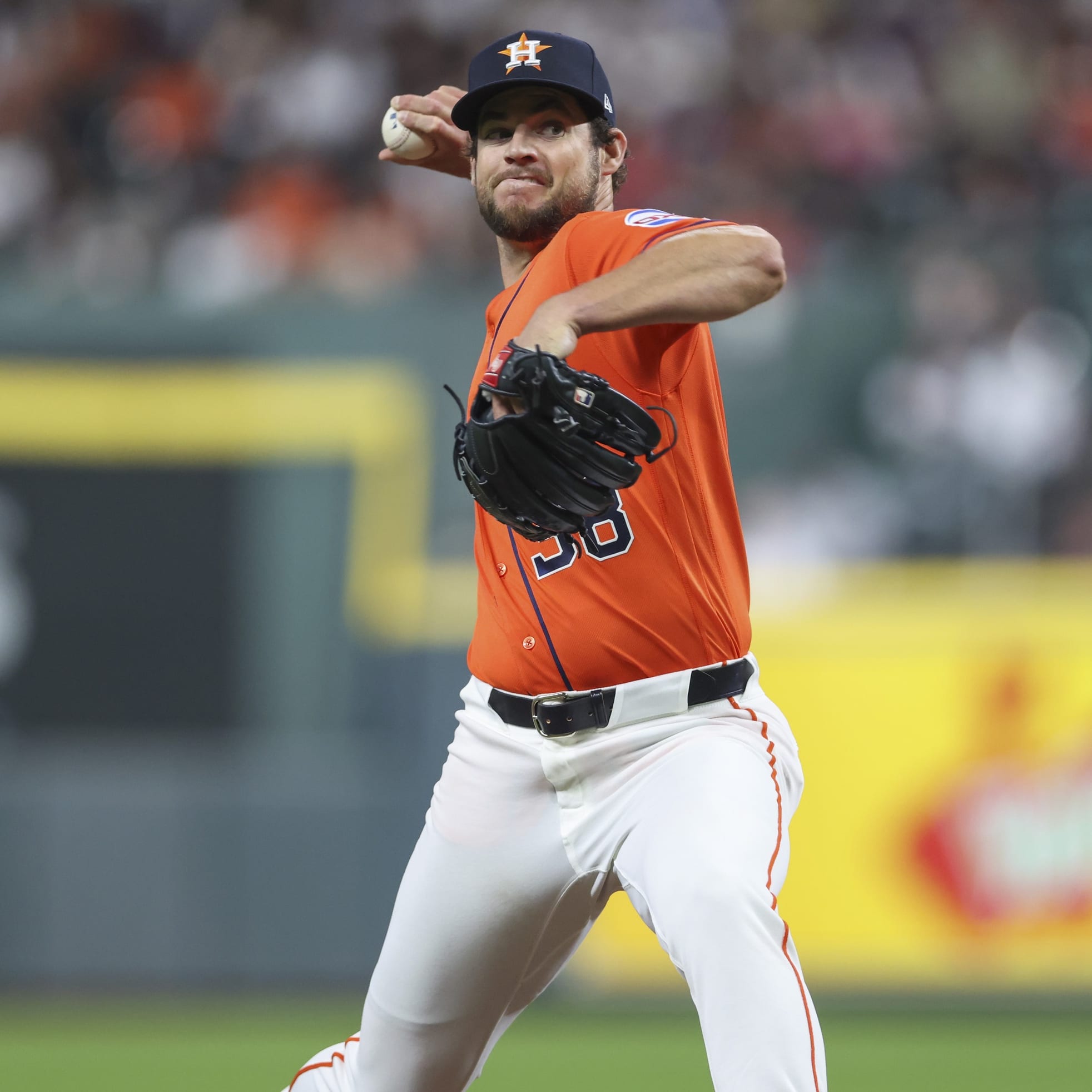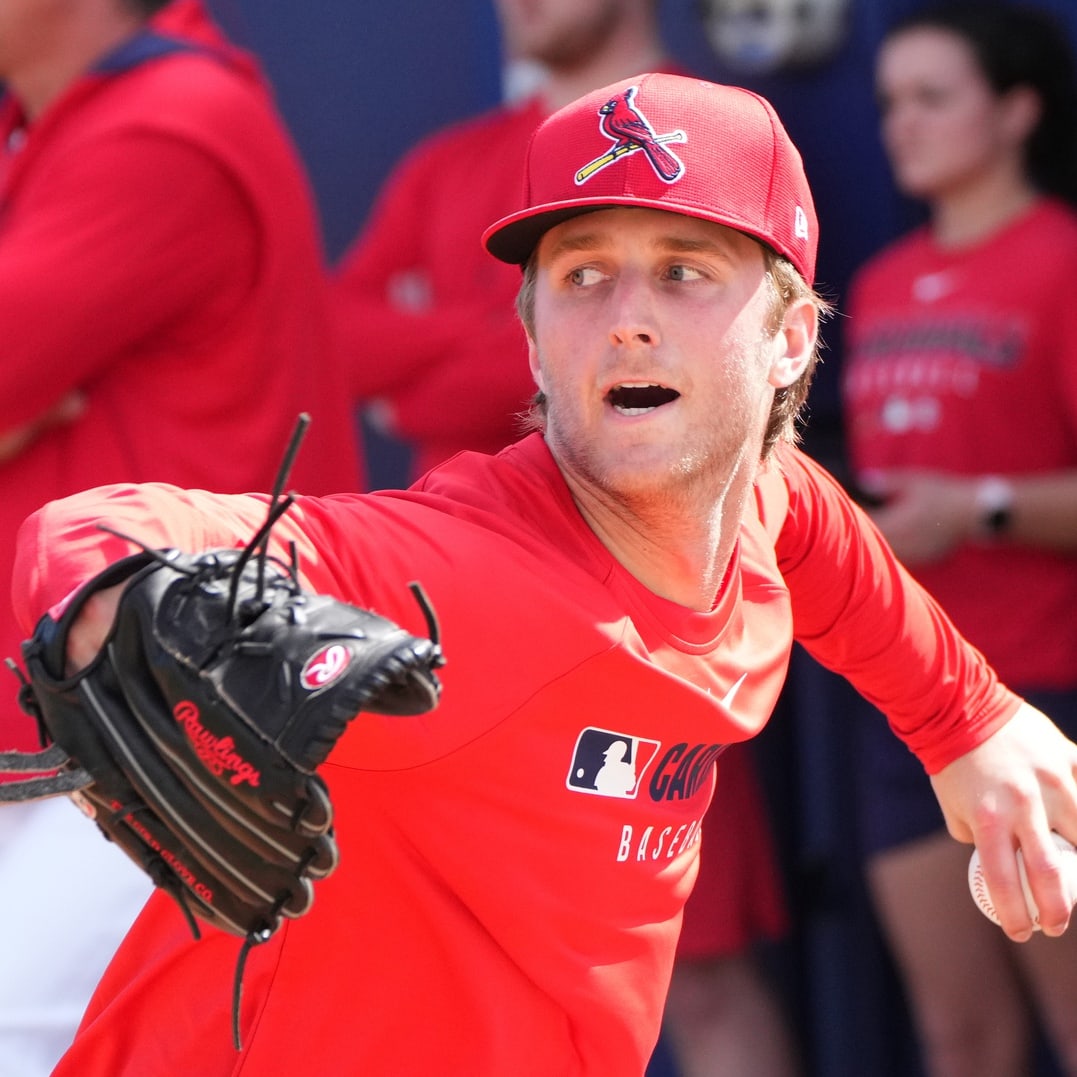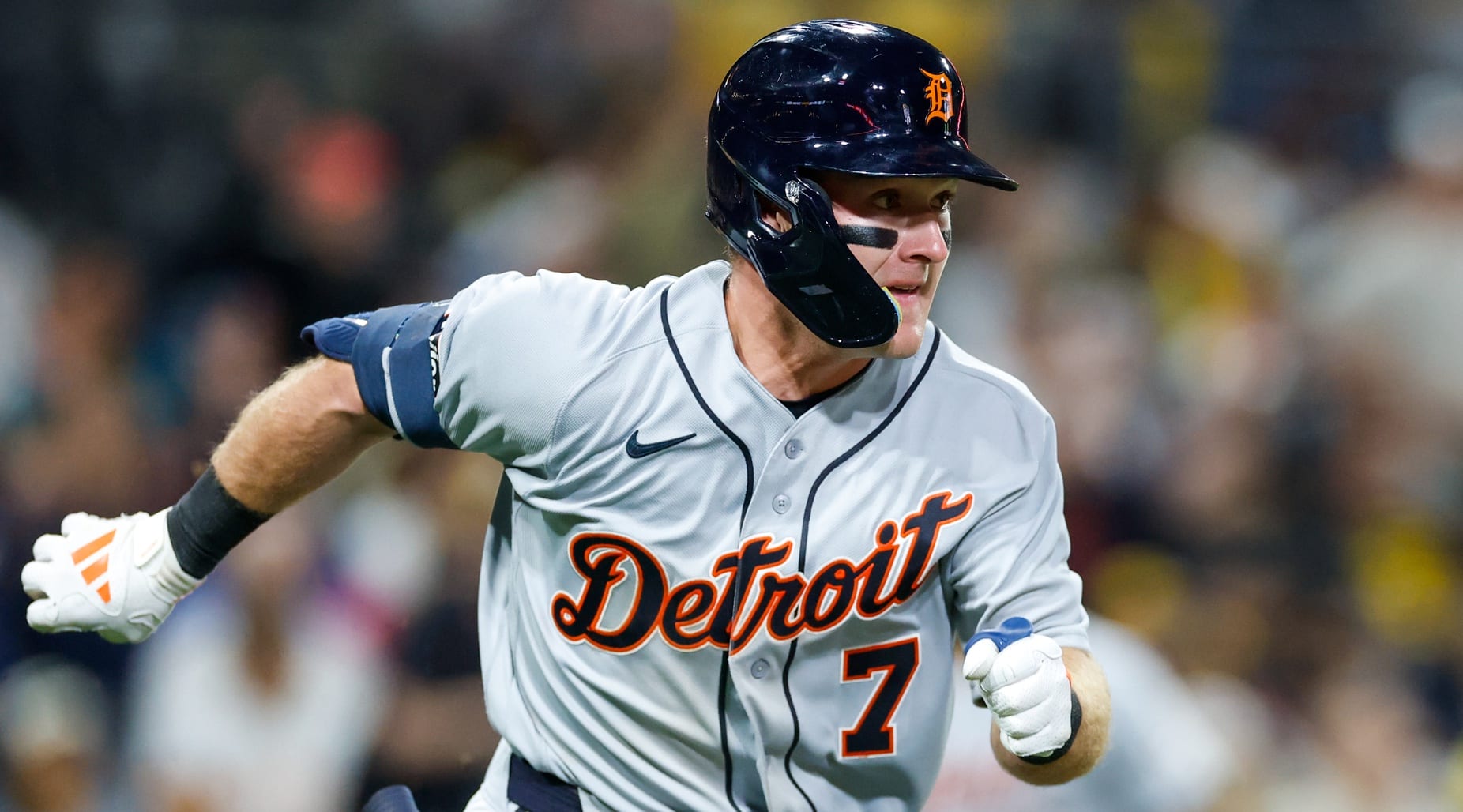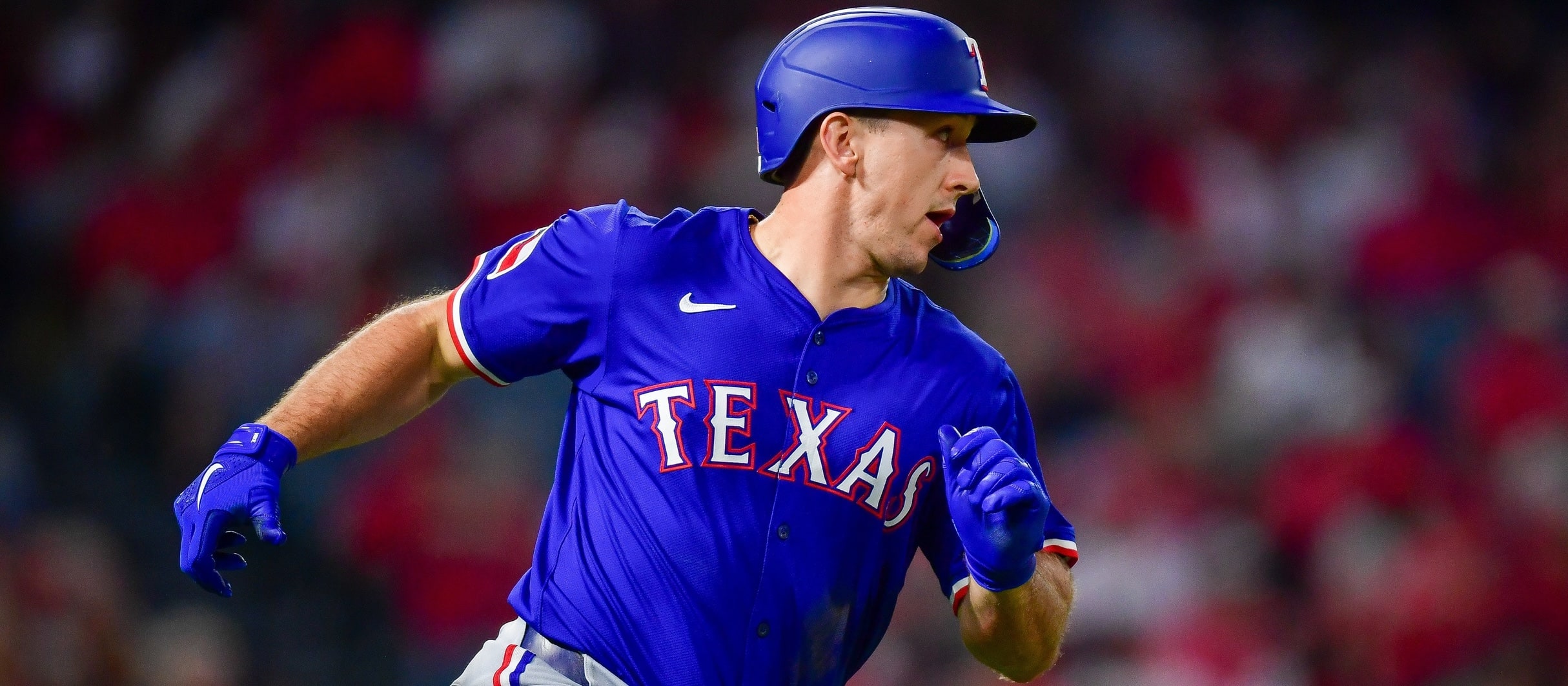


Wyatt Langford and Clayton Beeter
Multiple players landed on the injured list over the past week due to forearm injuries. A common problem in baseball, a forearm injury is anything but simple due to the complexity of the area. To start, the muscles in charge of the wrist and fingers are located in the forearm. The tendons of these muscles run down the length of your arm before anchoring at various spots in the wrist and hand. Most baseball injuries occur to the muscles of the front of the forearm, primarily responsible for bending (flexing) the wrist, thumb and fingers. The muscles here are divided into multiple compartments based on their depth in relation to the surface of the forearm. The more superficial layers house the muscles most commonly injured in baseball, particularly those that attach to an anchor site on the humerus known as the medial epicondyle.
In Texas, Langford suffered his forearm strain on an awkward swing last Monday. The team proactively placed him on the 10-day IL the following day and hope he misses the minimal amount of time. The outfielder appears to be progressing as planned and resumed swinging a bat over the weekend. He will be eligible to return on May 2, meaning those in weekly formats should look elsewhere for the week ahead.
Beeter's situation is more complex, largely based on his position. Pitchers average more time lost following forearm strains than position players, with medical staffs often taking a more conservative approach to
Wyatt Langford and Clayton Beeter
Multiple players landed on the injured list over the past week due to forearm injuries. A common problem in baseball, a forearm injury is anything but simple due to the complexity of the area. To start, the muscles in charge of the wrist and fingers are located in the forearm. The tendons of these muscles run down the length of your arm before anchoring at various spots in the wrist and hand. Most baseball injuries occur to the muscles of the front of the forearm, primarily responsible for bending (flexing) the wrist, thumb and fingers. The muscles here are divided into multiple compartments based on their depth in relation to the surface of the forearm. The more superficial layers house the muscles most commonly injured in baseball, particularly those that attach to an anchor site on the humerus known as the medial epicondyle.
In Texas, Langford suffered his forearm strain on an awkward swing last Monday. The team proactively placed him on the 10-day IL the following day and hope he misses the minimal amount of time. The outfielder appears to be progressing as planned and resumed swinging a bat over the weekend. He will be eligible to return on May 2, meaning those in weekly formats should look elsewhere for the week ahead.
Beeter's situation is more complex, largely based on his position. Pitchers average more time lost following forearm strains than position players, with medical staffs often taking a more conservative approach to care due to the flexor bundle's proximity to the ulnar collateral ligament (UCL). As I mentioned earlier this month, the flexor bundle works synergistically with the UCL to stabilize the medial elbow. Weakness or functional limitation in either structure has a cascade effect on the other, making it vulnerable to injury. While Washington has not officially labeled Beeter's injury as a forearm strain, he is expected to miss at least two weeks with the problem. He's slated to undergo additional testing, which may provide more clarity as to the seriousness of the situation. For now, Gus Varland will act as the primary closer for the Nationals with PJ Poulin likely to see an increase in usage.
Just as teammate Juan Soto was returning from a calf strain, Lindor suffered a calf strain of his own. Unfortunately, Lindor's strain appears to be more severe than Soto's Grade 1 strain, setting up a lengthy absence. The injury occurred while Lindor was running the base path. He was quickly ushered to the IL and is currently wearing a walking boot to offload the area and immobilize the ankle. The calf is a muscle group that is involved in motion at the knee and the ankle. It plays a crucial role in explosive movement and often requires extensive rehabs. Furthermore, the risk for reinjury will linger even after Lindor is cleared to return to action.
The team plans on reevaluating his injury in three weeks, though there already have been grumblings that he won't return to play until late June. Ronny Mauricio will take over at shortstop for the Mets.
Check Swings
Edwin Diaz: The Dodgers closer has been shut down indefinitely after undergoing surgery to remove bone chips in his pitching elbow. A debridement of loose bodies within a joint is a lot like taking a pebble out of your shoe. You may feel relief with the root of your foot soreness gone, but if you don't address how the rock go in your shoe in the first place than the discomfort can begin again. Diaz's long-term health and availability will be based on Los Angeles' ability to identify why the bone spurs developed to begin with as they slowly ramp up his throwing program. The team does not expect him to be back until after the All-Star break, and even that target date remains fluid. Tanner Scott and Alex Vesia are in line to share save opportunities for the Dodgers.
Maikel Garcia: Garcia has missed Kansas City's last three games with soreness and cramping in his right elbow. The team admitted they are taking a conservative approach with his care, and Garcia was able to participate in fielding and throwing drills Sunday. As discussed with Langford, elbow injuries are not quite as problematic for position players but could still result in time lost if the root of the problem is serious. This is particularly true for Garcia who has previously undergone surgery on the elbow to remove bone spurs from the joint. Hopefully Garcia is feeling better following Monday's scheduled off day and he returns to action Tuesday, but I'm keeping a close eye on his status moving forward.
Josh Naylor: The Mariners first baseman did not play Sunday due to right quadriceps tightness. Tightness is a term usually associated with muscle-related injuries but is more of a symptom than an injury diagnosis. Hopefully with some extra treatment Naylor can move past the issue and avoid the IL. Consider him day-to-day for now.
Eugenio Suarez: I'm seriously contemplating making a small section in every column that just lists the latest players to suffer an oblique strain. Suarez is this week's addition having suffered a low-grade oblique strain late last week. He has been placed on the 10-day IL but is likely to miss at least two weeks with the injury.
Daniel Palencia: While Suarez adds his name to the oblique list, Palencia oddly removes his name, as his injury diagnosis was changed from an oblique strain to a latissimus dorsi strain. This is a downgrade for the Cubs reliever, as the "lat" is vital in shoulder motion. The lat is active in shoulder extension, internal rotation and scapular motion, but also in lower back bending and side bending. As a result, look for Palencia's recovery timeline to be pushed back a bit.
Giancarlo Stanton: The Yankees slugger is managing tightness in his right calf and missed both weekend contests for New York. The team hopes to decide on his short-term availability prior to Monday's game against the Rangers with an IL trip a possibility. Jasson Dominguez is expected to be called up Monday, further suggesting Stanton will miss more time. Stanton has a long history of lower extremity issues including a right calf strain during the 2022 season. He missed the minimum amount of time back then, but based on his age and history that shouldn't be expected this time around.
Stay up to date on who is in and who is out with RotoWire's MLB Injury Report!