

Major League Baseball teams get plenty of value from their utility players, and the same can be said for savvy fantasy baseball managers. Having players with eligibility at multiple positions can unlock flexibility that allows you to get your best players in the lineup each day, and it can even change the way you approach your draft.
As fantasy baseball managers sift through their fantasy baseball rankings, they'll want to look for players with eligibility at more than one position and target at least one or two of those players. It's a winning strategy for many reasons that can propel your team to a weekly win and a season-long championship.
What the Utility Spot Is and How It Impacts Draft Strategy
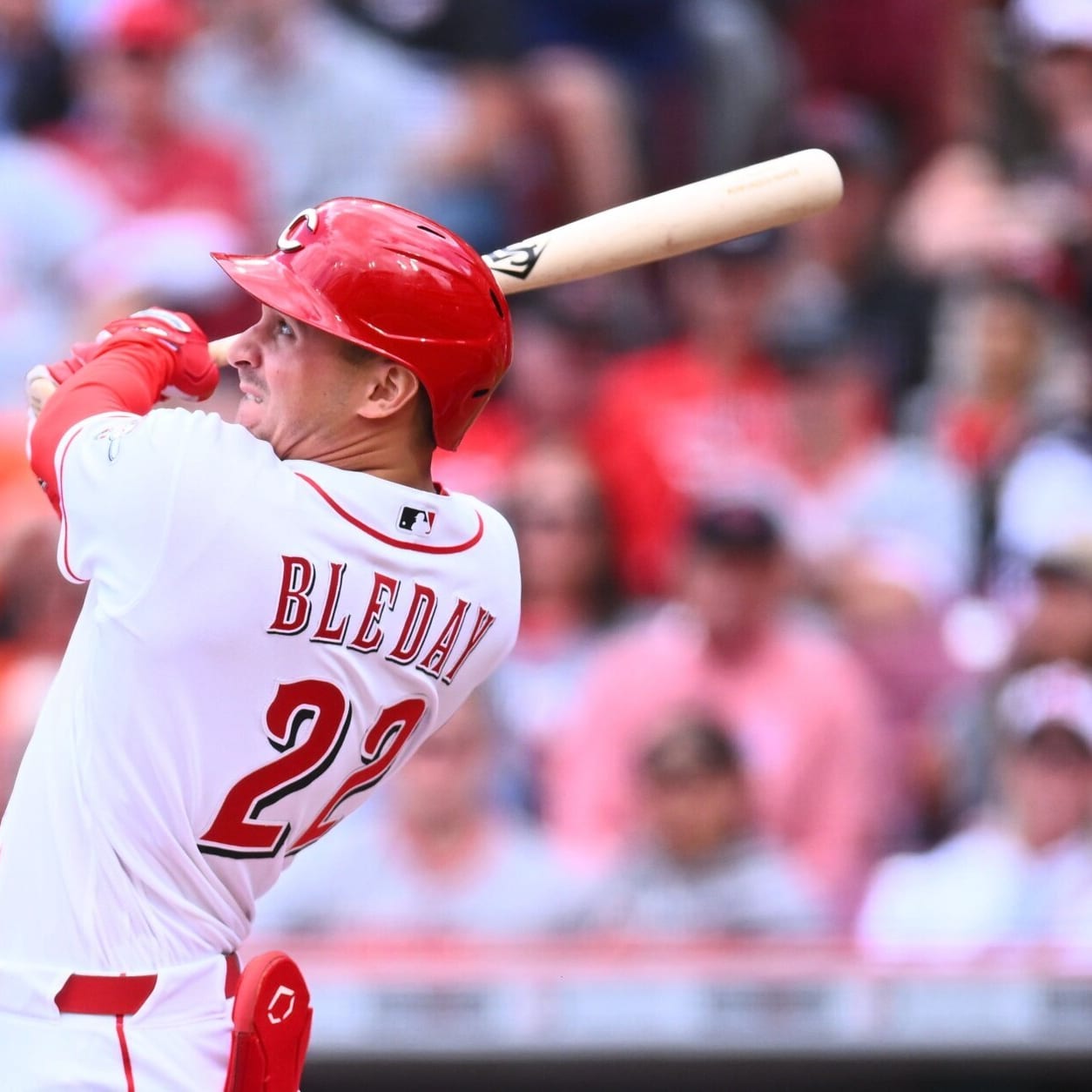
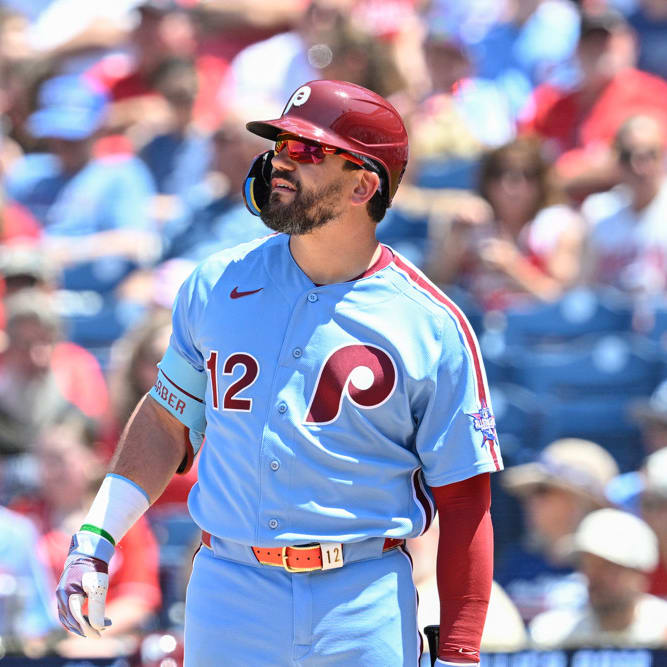
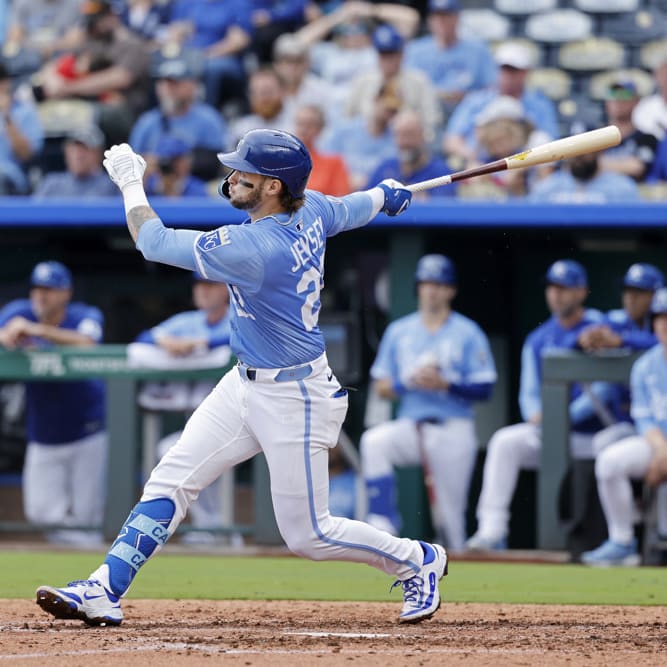
The utility spot is another way of saying that a player has eligibility at two positions. The most common utility players (in real baseball and fantasy baseball) are second base and shortstop, catcher and outfield, first base and third base and first base and outfield. Flexible players come in all shapes and sizes, each with the ability to transform your roster.
"When a player plays 5-20 games at a position (depending on your league settings), they become eligible there in fantasy, so in some cases, utility players will be eligible at three or four positions in fantasy," said RotoWire baseball expert James Anderson. "The most useful multi-eligibility is when a player is eligible in the outfield, corner infield (1B and/or 3B) and middle infield (SS and/or 2B)."
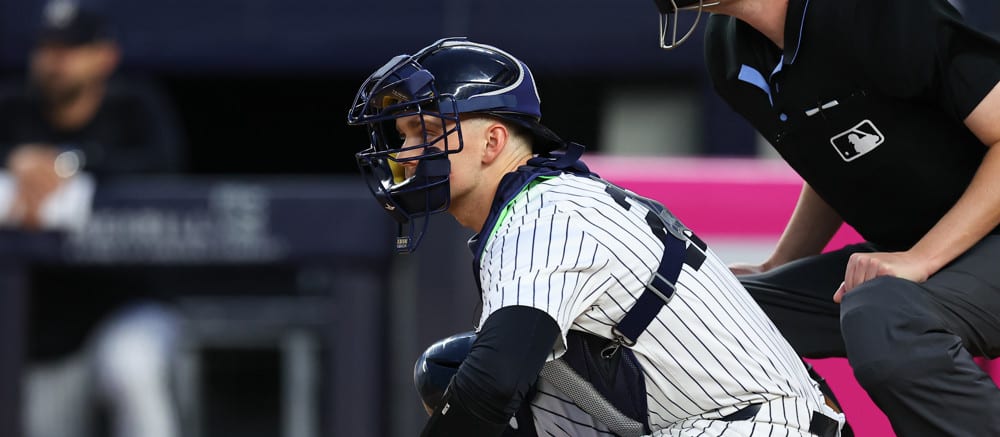
It impacts draft strategy because it keeps a wider range of options open for longer periods of the draft. If you draft Cubs first baseman Michael Busch (who is only eligible at first base), you likely aren't taking another first baseman for a while. But if you draft the Yankees' Ben Rice (who is eligible at catcher AND first base), you can still consider catchers and first basemen in the middle rounds of the draft, and then shift Rice to the position you don't draft among the two.
Prioritizing Multi-Position Eligibility and Flexibility
Utility players in fantasy baseball are also versatile like utility spots in fantasy baseball leagues. Players who are eligible at multiple positions gain added importance because they let you fit more pieces into your lineup. These can be especially helpful when drafting, knowing you can go after multiple positions in certain spots while shifting the utility player to the other one.
It can also help in daily leagues so you can always get your best matchups in the lineup. Players will gain eligibility at certain positions throughout the year, so it's something to keep track of using MLB depth charts throughout the season.
"There is diminishing returns if you end up with five or six players with multi-eligibility, but you should try to get at least one or two players eligible at multiple positions, especially in daily leagues and leagues that allow midweek roster adjustments," Anderson said.
Using the Utility Spot to Maximize Offensive Categories
Most fantasy baseball managers won't roster a backup at every position in order to maximize getting the best players into their lineups each day. That's where utility spots come in handy. Being able to move around players to different positions is a huge bonus in this regard. If you roster only players with one position of eligibility, you're locking yourself into those spots on any given day of the week.
"Inevitably, you'll draft or pick up a breakout player that you'll need to make room for in your lineup, and having players you can move to different positions makes it easier to field your very best lineup without having to pick up a scrub at a position you didn't have depth at," Anderson said.
It's important to note that most players are only eligible at one position, so the majority of your roster will be locked into one spot (though some leagues have options like middle infield, corner infield, and utility). But finding a player with multiple positions can be an added bonus and potential tiebreaker if you're between drafting two players.
How League Settings Change Utility Spot Value
Different leagues have different roster settings, and utility players can gain even more value because of it. Consider Yankees infielder Jazz Chisholm, who has eligibility at second base and third base. In leagues that include corner infield and middle infield in starting lineups, managers will have four different spots that they can place Chisholm on a given day.
Many leagues also have a utility spot for batters, which means managers can put designated hitters in that spot or any other eligible hitter. This spot technically makes everyone a utility player, but having players with multiple positions of eligibility is still important for those position-specific slots.
The depth of your league's roster and benches will also play into how valuable utility players are.
"The more position players need to be started per team in your fantasy league, the more valuable multi-position players become," Anderson said. "Multi-position players are less valuable in shallow leagues with good players available on the waiver wire."
Common Draft Mistakes Involving the Utility Position
Because most leagues have dedicated utility spots for hitters, managers shouldn't get too carried away trying to find players with multi-position eligibility. Don't reach or overspend for a player just because he can be slotted at second base and shortstop. It's just something to keep in mind as you're building your roster.
"Common mistakes with the utility position are the two ends of the spectrum: ignoring multi-eligible players or rostering too many of them. In a 12- or 15-team league, just having a couple multi-eligible players goes a long way, but you won't be able to take advantage of the versatility of utility players if you've got four or five of them," Anderson noted.
You just need to subscribe to RotoWire. Using RotoWire's fantasy baseball draft assistant and fantasy baseball draft kit will give you a comprehensive look at all players who have eligibility at which positions.
Note that players can and will also gain eligibility at certain spots throughout the season, so make sure you're staying on top of fantasy baseball news and following RotoWire's group of fantasy baseball experts so you know who may be gaining added value as the season goes along.