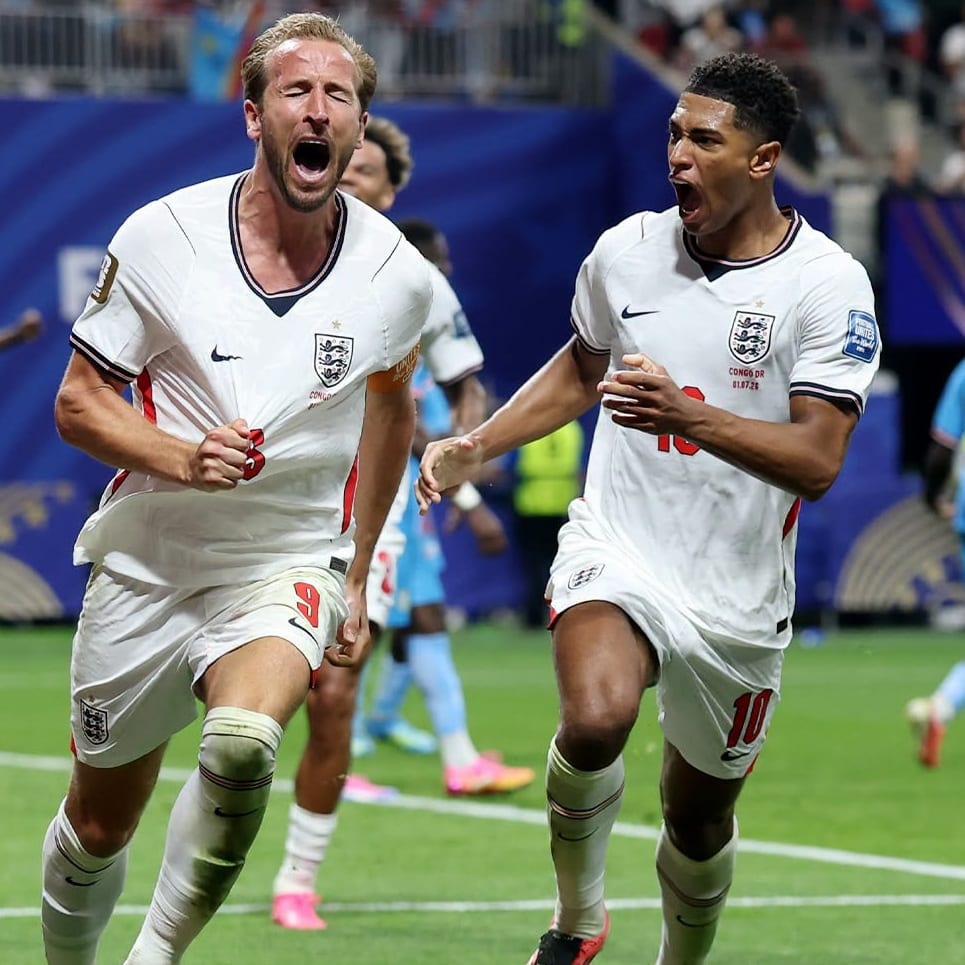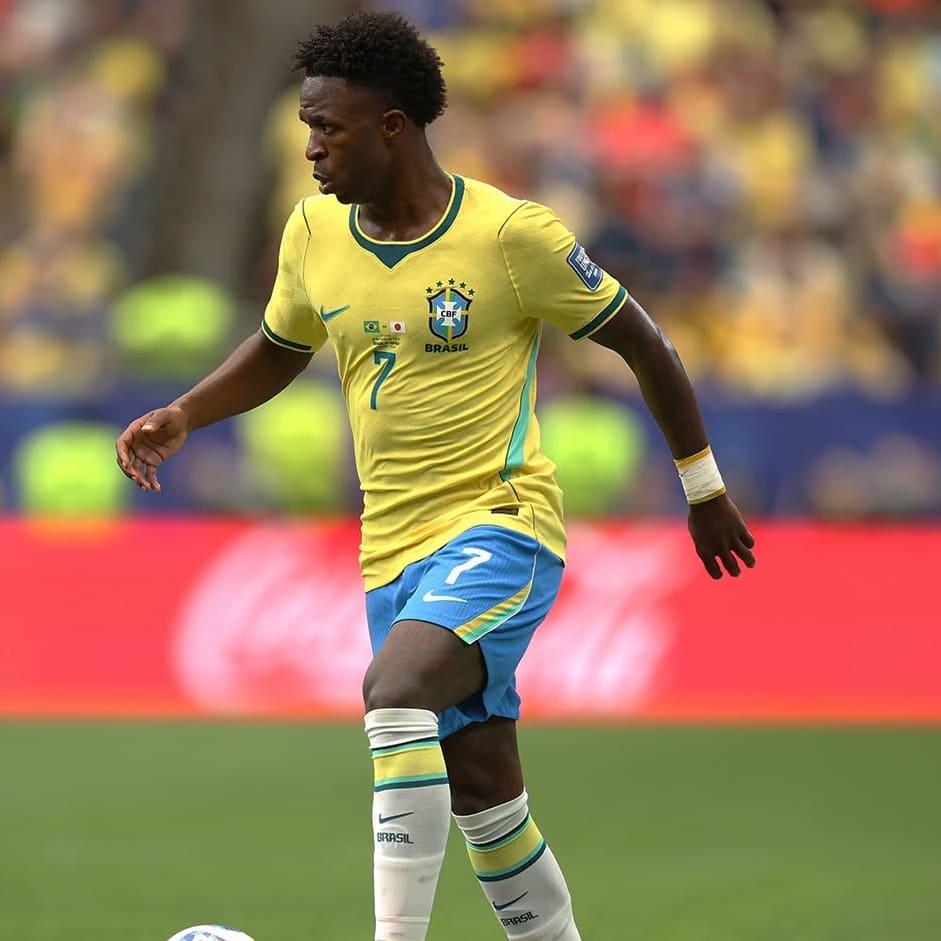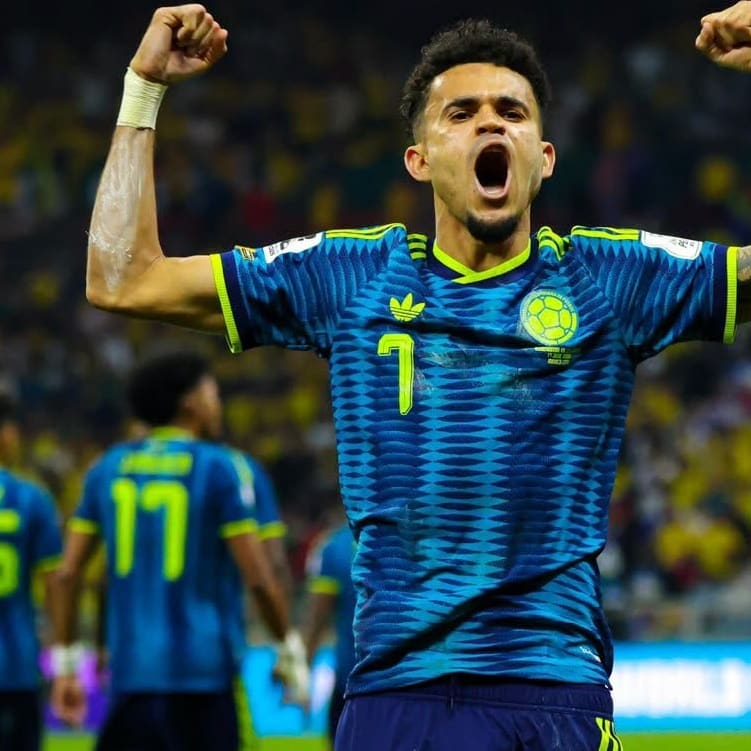
The 2026 World Cup is breaking format in two big ways. It's the first 48-team tournament. It's the first three-country tournament. And nobody really knows what either change means for the home teams.
So we did the obvious thing. We pulled every host nation result from 1930 through Qatar 2022 and built a Host Advantage Index to find out what the pattern actually looks like as you weigh this summer's World Cup odds.
The pattern, it turns out, is loud.
Hosts Almost Always Show Up
Across 22 prior World Cups and 23 host-nation observations (2002 had two co-hosts), the home team has been a problem for visiting nations almost without exception.
• 91% of hosts have reached the knockout stage
• 57% have reached the semifinal or better
• 26% have won the tournament outright
Six different host nations have lifted the trophy on home soil. Two more reached the final. Only two host nations in the modern era have failed to escape their group:  South Africa in 2010 and
  Qatar in 2022. That's it. Hosting the World Cup is, statistically speaking, the closest thing to a cheat code in international soccer.
There is one catch. The last host to actually win the thing was France in 1998. That's a 28-year drought heading into 2026, and it's the most under-discussed storyline of the tournament.
RotoWire.com will provide more soccer betting insight as the world's most popular sporting event draws closer.
How the Index Works
We bucketed every host nation by their pre-tournament strength. Tier 1 is an elite favorite. Tier 2 is a strong contender. Tier 3 is mid-tier, roughly top 20 globally. Tier 4 is a longshot.
Then we applied the empirical outcome of each tier directly to the 2026 hosts. No synthetic bonuses, no made-up multipliers. Just what countries with comparable pre-tournament strength have actually done as host.
The headline finding might be the cleanest data point in the entire dataset. Every Tier 3 host in World Cup history has reached the quarterfinal. Five for five.  France 1938,
  Switzerland 1954,
  Chile 1962,
  Mexico 1970, Mexico 1986. None of them missed the final eight. None of them got past third place either.
Both Mexico and the United States enter 2026 in Tier 3.
Mexico: The Quarterfinal Ceiling, the Quarterfinal Floor
Mexico (FIFA #15) is in Tier 3 for the third time. In 1970 they reached the quarterfinal. In 1986 they reached the quarterfinal. The model says quarterfinal again.
That isn't a bold projection, it's a recurring nightmare. El Tri lost in the Round of 16 in seven straight World Cups dating back to 1994. Hosting has historically broken that ceiling, but only just. The opener is at Estadio Azteca against South Africa, the Group A draw is favorable, and Mexico will almost certainly make the second round. The question that's been asked at every Mexico World Cup for 30 years is whether this is the team that finally pushes through.
History says they get to the quarterfinal and stop.
Sports betting apps have props galore for the World Cup and will offer more before and during the tournament.
USMNT: The Best Hand a US Team Has Ever Been Dealt
The 1994 USMNT was a Tier 4 longshot. They reached the Round of 16 anyway, just on hosting.
The 2026 USMNT is a full tier better. At FIFA #16, this is the highest-ranked US squad to ever enter a World Cup. They're in the same bucket as Mexico's 1970 and 1986 host teams that both reached the quarterfinal.
The bracket math helps. The US hosts 78 of 104 tournament matches, including both semifinals and the final at MetLife Stadium. Post-draw, oddsmakers shortened the US to +5000 after placing them with Paraguay, Australia, and a European playoff team. That's the friendliest path of any of the three co-hosts.
The 1994 R16 finish is the historical floor. The quarterfinal is the model projection. Anything past that would put this generation in genuinely uncharted American soccer territory.
Canada: The Widest Range in the Dataset
 Canada (FIFA #30) is the projection that nobody can call confidently, because Tier 4 hosts have done everything.
Six historical comps.  South Korea 2002 reached the semifinal.
  Russia 2018 reached the quarterfinal.
  Japan 2002 made the Round of 16. USA 1994 made the Round of 16. South Africa 2010 went out in the group stage. Qatar 2022 finished with zero wins and a minus-six goal differential.
The modal outcome is the Round of 16, which is what the model projects.
The Canadian ceiling is real though. Russia 2018 entered as the lowest-ranked host in modern World Cup history and rode the home crowd to a quarterfinal exit on penalties to Croatia. Canada is meaningfully stronger than that Russian side. The Toronto opener and the supportive home environment do real work.
The 2026 Three-Country Question
The only prior multi-host tournament was 2002, when South Korea and Japan split duties. South Korea reached the semifinal as a Tier 4 host. Japan made the Round of 16 as a Tier 4 host. Both overperformed their tier baseline.
The 2002 data doesn't show any meaningful dilution of host advantage when it gets shared. Three countries is unprecedented, but the closest historical precedent suggests the advantage survives.
History is pretty clear. Two of the three 2026 hosts should reach the quarterfinal. One of them probably won't go past the Round of 16. And someone, eventually, is going to break the 28-year drought.
Just maybe not this summer.