

Fantasy baseball auction leagues give each manager a specified amount of money to bid on players and build a full roster. It's generally considered a fair way to draft compared with snake drafts. It involves much more strategy because you'll need to figure out how to budget specific dollar amounts for players while still building a competitive team and considering MLB projections.
Studying fantasy baseball auction values and then tinkering them to reflect how you believe a player will perform is a great place to start. Then you'll have a dollar amount of each player based on their projections and be able to find value in certain players while letting overpriced players go to other teams. Be sure to check out advise and strategy from RotoWire's experts because making any decisions.
Defining Auction Leagues in Fantasy Baseball
Auction drafts involve each team beginning with the same dollar amount (usually $260) to build a roster of MLB players. All teams can bid on any player, assuming they have enough money leftover, and the auction ends when all teams have filled their rosters.
All other players become free agents. Managers take turns bringing up players to auction, with the bidding closing once only one team remains. The highest bid is the winner and goes to that team.
How Auction Drafts Are Structured
Fantasy baseball managers take turns bringing players up to auction. The manager who brings a player up must bid at least $1 on the player, but does not need to make any additional bids. There are two types of auctions: one where any team can make a bid at any time (more typical in virtual formats) or teams going in order of where they're seated (more typical with in-person drafts).
Bidding ends when only one team (the high bidder) remains. That dollar amount is then deducted from the team's budget and the next player is thrown out.
How Player Values Are Determined in Auction Formats
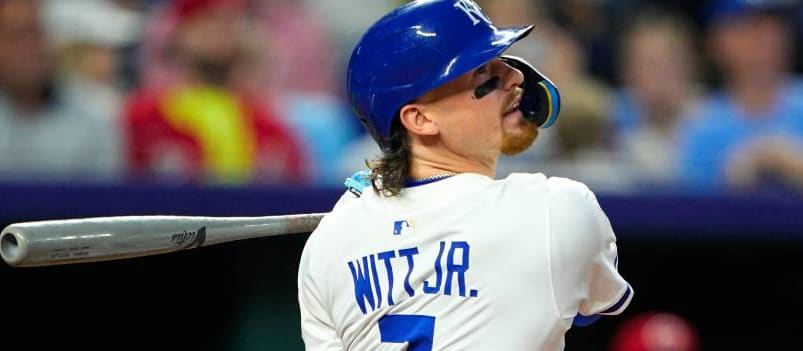
Custom fantasy baseball rankings assign dollar amounts to every player in baseball. It's an estimation of the value they bring to a team compared with the rest of the league. Players like Shohei Ohtani, Aaron Judge and Bobby Witt Jr. are the most "expensive" players, while middle relievers and average role players get $1 designations. It's important to customize your rankings to your specific league settings as that can drastically change the projected dollar amounts attached to each player.
Also note that those dollar amount estimates aren't hard and fast rules. If a player has a projected value of $23 and you really like him, it's OK to spend more to get your guy. Just be aware of the perceived "overpay" that may mean spending less on other players later by a dollar or two. You'll want to make up that value at some point in the draft.
How Auction Leagues Differ From Snake Daft Leagues
There's a lot of strategy that goes into auction drafts compared to snake drafts. With the latter, you simply select a player when you're on the clock. There's no "cost" associated with any of the players you select. With auction drafts, managers will need to hone in on a few stars to build the foundation of their team, and then budget accordingly later in the draft. If you spend $53 on Ohanti to kick off the draft, that means you have $207 left for your remaining 22 spots.
Using MLB depth charts to find value with platoon players or utilitymen who can be had on the cheap is always a good strategy, and you'll likely want to walk away with a few $1 fliers who will likely be cut at some point in the season for a free-agent acquisition.
Best Tools to Help Prepare for Your League Auction
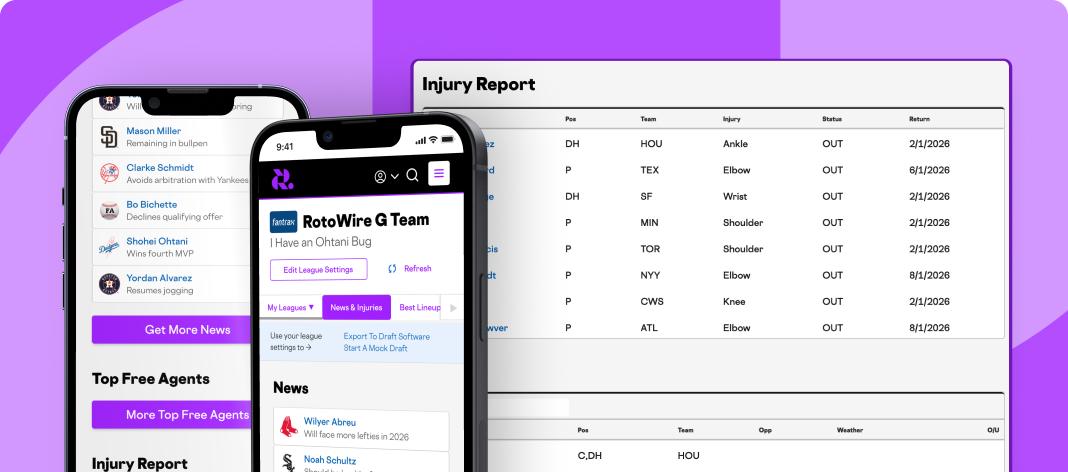
It's critical to have an understanding of the flow of auction drafts. We recommend doing a fantasy baseball mock draft or two using auction values, both so you'll see which players are going for what dollar amounts and so you'll see how the process goes. It's entirely different from snake drafts.
Also, make sure to use the fantasy baseball draft assistant on your big day, so you're allocating your budget correctly and not overspending on players. Balancing a budget is important so you don't wind up with a handful of $1 players at the end of your draft.
You just need to subscribe to RotoWire to be prepared.