Baseball is the only major sport with unique fields for each team. That may not feel like a major factor when considering fantasy baseball and roster management, but in reality, it is. The difference between Coors Field in Colorado and T-Mobile Park in Seattle is so large that it could mean the difference between a win and a loss in your fantasy baseball league.
The MLB player stats that each hitter and pitcher puts up can swing astronomically by ballpark, so it's something that all managers will want to keep in mind when drafting, picking up players or trading for others. While it doesn't need to be the sole purpose for making changes, it should always be a consideration. If you can use ballparks to your advantage at no additional cost why wouldn't you?
What Are Ballpark Factors and Why Do They Matter in Fantasy?
You've heard of "pitcher-friendly" ballparks and "hitter-friendly" stadiums. Those aren't just throwaway descriptions. MLB's Statcast page has a metric called Park Factor. It measures how much a stadium's dimension and geography increases or decreases offensive production. The baseline is 100, with a higher number meaning more offensive output and a lower rating meaning less offensive output (and, thus, better for pitchers). Things like the MLB weather conditions also play into this.
Ballpark factors matter because it can turn long fly outs into home runs for batters, or home runs allowed into outs for pitchers. There's a wide range among the 30 stadiums, with Coors Field in Colorado the most hitter-friendly park (113 in 2025) and T-Mobile Park in Seattle the most pitcher-friendly park (91 in 2025). These numbers fluctuate each year, but the rankings generally stay the same.
How Hitter-Friendly Parks Create Fantasy Upside & Hidden Risk
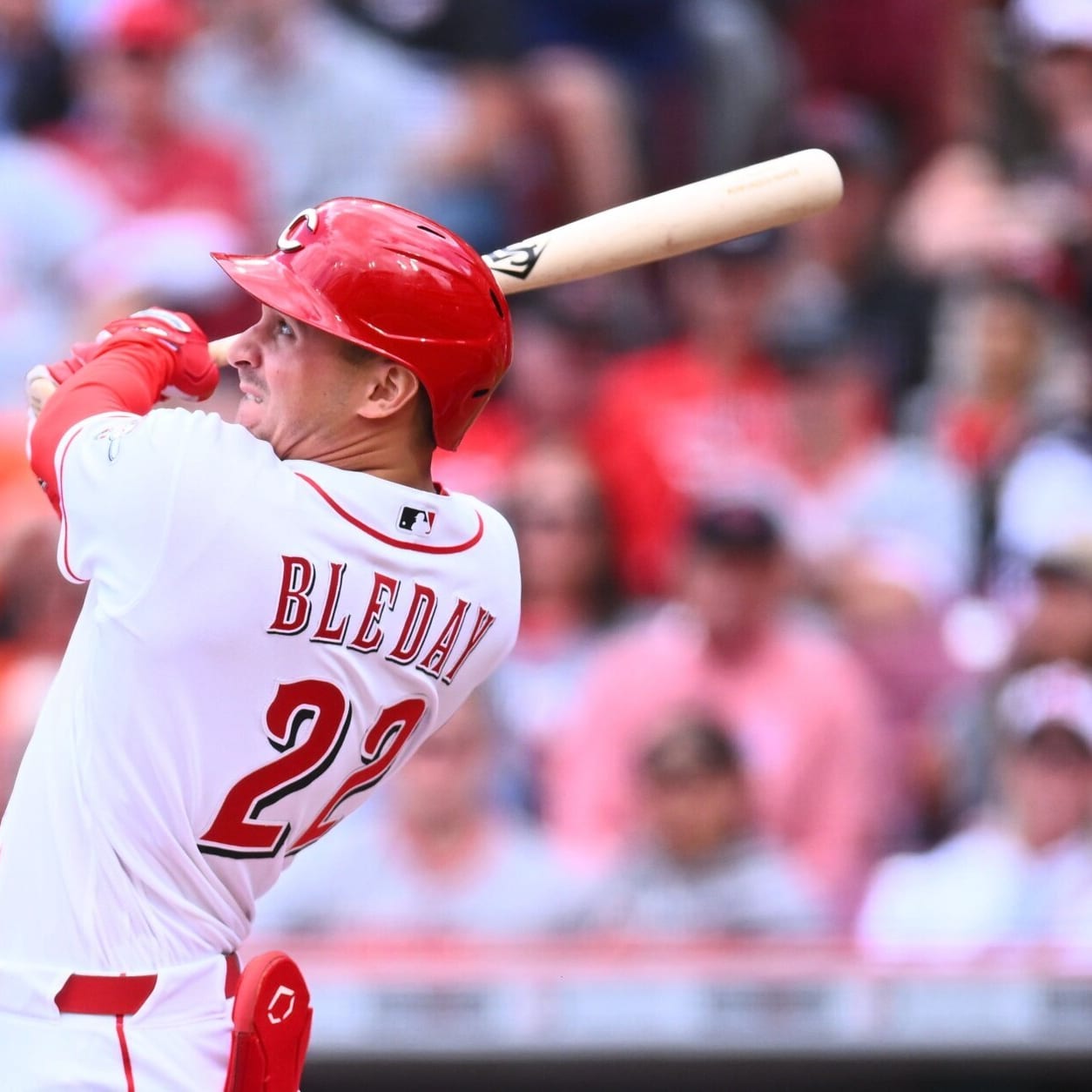
Shorter fences, higher altitude and larger outfields all contribute to hitter-friendly parks. Fantasy baseball managers may even want to move players who play in hitter-friendly parks up in their fantasy baseball rankings. The most hitter-friendly parks are in Colorado, Boston, Cincinnati and Kansas City (which moved in its fences in 2026).
You'll notice a number of Rockies hitters higher among MLB projections than you'd think for a team that loses 90+ games annually. That's because their home park, where they play 81 games a year, is made for offense. The ball travels in Colorado, while short porches in Cincinnati and Boston mean it's easier to hit homers for pull hitters.
How Pitcher-Friendly Parks Affect Starter and Reliever Value
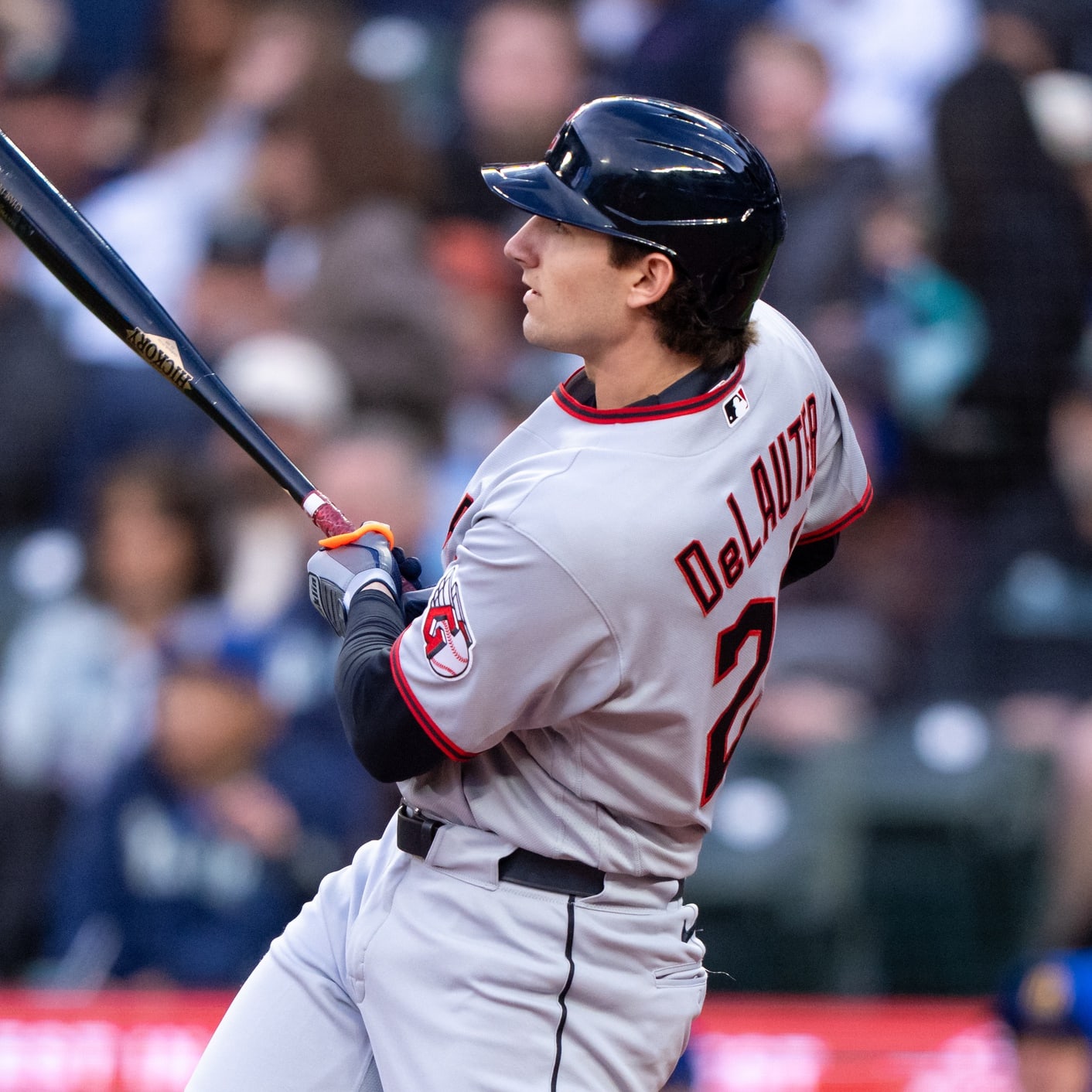
Swinging the pendulum the other way, pitcher-friendly parks can have a massive impact on starters and relievers. In 2025, Seattle's T-Mobile Park was the most pitcher-friendly park, and it has held that distinction each of the last four years. San Diego's fences at Petco Park are also pitcher-friendly, as is the outfield configuration in Cleveland's Progressive Field.
The process is simple here. Longer fences make it harder to get the ball out of the stadium for batters, and smaller outfields mean less room for outfielders to roam and track down fly balls. This can make a huge difference on a pitcher's ERA and WHIP, and the numbers play out that way. Mariners pitchers, for example, tend to get a bump in fantasy baseball auction values each year because of it.
How to Use Ballpark Factors in Your Draft Strategy
Where a player plays most of his home games should not be the defining reason you select or add a player. Hitter-friendly parks still require batters to get the ball in play or in the air, and pitcher-friendly parks won't do anything for pitchers who walk batters or serve up meatballs.
What ballpark factors can help with is a tiebreaker if you're deciding between two players. A great example, using fantasy baseball ADP, is Ezequial Tovar and Colson Montgomery. Both shortstops are right beside each other in ADP. Tovar will play half his games at Coors Field and 6 to 7 more in Arizona, (No. 3 hitter-friendly park) and Dodger Stadium (11th). Montgomery, on the other hand, will play half his games in Chicago's Rate Field (19th most hitter-friendly park) and 6 to 7 each in Cleveland (29th). Tovar's home park becomes a great tiebreaker here.
In-Season Adjustments: Using Park Factors on the Waiver Wire
Ballpark factor is great when deciding to stream a pitcher. If someone on the waiver wire is starting in Seattle, that's far different than if they're starting in Colorado. Similarly, if a batter has a road trip coming up that will take him to Colorado and Arizona, he's a good bet to get a bump in production because of it.
Again, don't grab someone with a 4.50 ERA just because he's starting in Cleveland and bypass someone with a sparkling ERA in a tougher ballpark. It shouldn't be the main reason why you decide to add someone, but it certainly can and should be part of the consideration.
RotoWire's fantasy baseball experts add this type of analysis into their fantasy baseball news when helping managers decide who to pick up, so make sure you subscribe to RotoWire so you always have the most up-to-date information of how ballparks are impacting certain players.