2026 World Cup Squad Ages: Youngest and Oldest Teams Ranked
Every 2026 FIFA World Cup squad has now been confirmed, and the age data tells a story the standings alone can't. Using official FIFA squad lists posted June 2, here is the full average age ranking for all 48 nations, from Ivory Coast's generational youth project to Panama's veteran farewell tour.
| # | Nation | Avg Age | Players 30+ | Players U23 |
|---|---|---|---|---|
| 1 | Ivory Coast | 25.35 | 4 | 6 |
| 2 | Ecuador | 25.58 | 3 | 7 |
| 3 | Bosnia And Herzegovina | 25.92 | 4 | 6 |
| 3 | Morocco | 25.92 | 6 | 7 |
| 5 | Tunisia | 26.15 | 7 | 6 |
| 6 | Spain | 26.19 | 6 | 5 |
| 7 | Norway | 26.35 | 4 | 3 |
| 7 | South Africa | 26.35 | 7 | 7 |
| 9 | Canada | 26.42 | 5 | 5 |
| 9 | Ghana | 26.42 | 6 | 7 |
| 9 | USA | 26.42 | 3 | 4 |
| 12 | Algeria | 26.46 | 4 | 5 |
| 13 | France | 26.58 | 7 | 5 |
| 14 | England | 26.62 | 8 | 4 |
| 14 | Senegal | 26.62 | 6 | 5 |
| 16 | Iraq | 26.65 | 3 | 4 |
| 17 | Australia | 26.88 | 5 | 4 |
| 18 | Sweden | 27.00 | 5 | 3 |
| 19 | Haiti | 27.08 | 4 | 2 |
| 20 | Belgium | 27.12 | 6 | 4 |
| 21 | Japan | 27.19 | 4 | 3 |
| 22 | Czechia | 27.23 | 4 | 3 |
| 22 | Turkiye | 27.23 | 5 | 3 |
| 24 | Netherlands | 27.27 | 6 | 4 |
| 25 | South Korea | 27.46 | 5 | 3 |
| 26 | Mexico | 27.50 | 6 | 3 |
| 27 | Curacao | 27.54 | 5 | 2 |
| 27 | Germany | 27.54 | 7 | 5 |
| 27 | Portugal | 27.54 | 8 | 5 |
| 30 | New Zealand | 27.62 | 5 | 2 |
| 31 | Switzerland | 27.81 | 5 | 3 |
| 32 | Croatia | 27.88 | 6 | 3 |
| 33 | Saudi Arabia | 27.96 | 4 | 3 |
| 33 | Uzbekistan | 27.96 | 7 | 2 |
| 35 | Jordan | 28.08 | 7 | 1 |
| 36 | Austria | 28.12 | 5 | 2 |
| 37 | Uruguay | 28.19 | 6 | 2 |
| 38 | DR Congo | 28.50 | 8 | 2 |
| 39 | Paraguay | 28.54 | 12 | 2 |
| 40 | Argentina | 28.62 | 9 | 2 |
| 41 | Brazil | 28.65 | 11 | 3 |
| 42 | Egypt | 28.69 | 12 | 1 |
| 43 | Scotland | 28.73 | 12 | 3 |
| 44 | Qatar | 28.92 | 11 | 3 |
| 45 | Cape Verde | 29.23 | 11 | 0 |
| 46 | Colombia | 29.58 | 12 | 1 |
| 47 | Iran | 29.81 | 16 | 2 |
| 48 | Panama | 30.00 | 13 | 0 |
Youngest and Oldest Teams at the 2026 World Cup
Youngest Squads
- Ivory Coast (25.35)
- Ecuador (25.58)
- Morocco (25.92)
- Bosnia and Herzegovina (25.92)
- Tunisia (26.15)
Oldest Squads
- Panama (30.00)
- Iran (29.81)
- Colombia (29.58)
- Cape Verde (29.23)
- Qatar (28.92)
Oldest player: Craig Gordon (Scotland) 43 years old
Youngest player: Gilberto Mora (Mexico) 17 years old
The Youngest Squads: The Next Generation Takes the Stage
The 2026 World Cup is, by any measure, a tournament dominated by young squads. Of the 48 participating nations, the majority arrive with a core born in the late 1990s and early 2000s, and some have gone further still, sending teenagers who, by any reasonable standard, have barely grown into professional soccer.
Ivory Coast top the chart as the youngest squad in the field at an average of 25.35 years, a reflection of the complete generational transition the Elephants have undergone over the past decade. After riding the veteran-heavy golden generation of Didier Drogba and Yaya Toure into decline, coach Emerse Fae has built something entirely different: a side where Yan Diomande (19), Christ Inao Oulai (20), and Bazoumana Toure (20) carry no weight of expectation, only ambition. The balance comes from a core of mid-20s talent, Simon Adingra (24), Amad Diallo (23), and Ange-Yoan Bonny (22), with Franck Kessie (29) and Jean Michael Seri (34) the experienced anchors.
Ecuador sit second at 25.58, a number that hides a remarkable story. The spine of the squad is built around genuinely elite young talent, Moises Caicedo (24), Willian Pacho (24), Piero Hincapie (24), while 19-year-old Kendry Paez, arguably the most anticipated teenager in the tournament, has the potential to be one of the surprises of the tournament. The only significant outlier pulling the average upward is veteran striker Enner Valencia (36).
Morocco (25.92) and Bosnia and Herzegovina (25.92) are tied in third, though their squads tell very different stories. Morocco, under new coach Mohamed Ouahbi, have retained the structural discipline of the manager Walid Regragui era while introducing a younger generation: Ayyoub Bouaddi (18), Chemsdine Talbi (20), and Samir El Mourabet (20) reflect a deliberate plan for the next cycle. Bosnia, meanwhile, are a younger squad almost by necessity, a mix of teenagers like Kerim-Sam Alajbegovic (18) and Mladen Jurkas (18) alongside a handful of the veterans who carried the team through qualification, including a 40-year-old Edin Dzeko who is almost certainly playing his final major tournament.
Spain complete the five youngest squads at 26.19, which may be the most consequential statistic of the entire table. The reigning European champions have built something rare, a squad that is simultaneously the best team on the planet and one of the youngest in the field. Lamine Yamal (18) and Pau Cubarsi (19) are first-name talents at the tournament, but the real depth of Spain's youth is in the middle of the list, Gavi (21), Pedri (23), Ferran Torres (26), players who have played multiple major tournaments and are barely into their mid-20s. Manager Luis de la Fuente has no succession problem, Spain's succession is already in place.
Tunisia (26.15) and Norway (26.35) round out the top six, with Norway's inclusion particularly notable given the presence of Erling Haaland (25) who is already one of the world's best strikers and still nowhere near his physical peak.
U23 representation across the youngest squads:
- Ecuador: seven players under 23
- Morocco: seven players under 23
- Ghana: seven players under 23
- South Africa: seven players under 23
- Ivory Coast: six players under 23
- Bosnia: six players under 23
The Oldest Squads: Experience, Legacy, and One Last Shot
At the other end of the table, Panama are the oldest squad at the tournament with a precise average age of 30.00 years. That number is not accidental, coach Thomas Christiansen's side have no elite-level young talent to call on and have instead leaned into a generation of experienced professionals playing in the lower tiers of MLS and Central American leagues. Alberto Quintero (38), and Anibal Godoy (36), are cornerstones of a squad that has zero players under 24 and 13 players aged 30 or older. Panama are the definition of a side built for the moment rather than the future.
Iran are the second-oldest at 29.81, with 16 players aged 30 or above, more than any other squad in the tournament. The spine of the team, from Alireza Beiranvand (33) in goal to Roozbeh Cheshmi (32) in midfield to Mehdi Taremi (33) up front, is firmly in its final World Cup cycle. With the team's development pyramid almost entirely reliant on domestic league football, the talent pipeline remains a structural concern. This looks like the last competitive edition of this generation.
Colombia (29.58) are in a more nuanced situation. Players like James Rodriguez (34) and David Ospina (37) add considerable age to an otherwise mid-20s core, but Colombia's older players are established names who were genuinely central to a Copa America 2024 run that stunned the continent. The blend of that experience with Luis Diaz (29) in his prime, Jhon Arias (28), and Richard Rios (26) makes Colombia a genuine tournament threat despite, or perhaps because of, their veteran composition.
Cape Verde (29.23) are the oldest African squad, carrying veterans like Vozinha (40) and Garry Rodrigues (35) alongside a group of Iberian-based pros in their late 20s and early 30s. With no players under 23 in the squad at all, Cape Verde are a one-shot tournament side, several of these players will not be with the program by 2030.
Scotland (28.73) are the oldest European squad in the field, a reflection of the fact that manager Steve Clarke has been building around a fairly static core for several years. Craig Gordon (43) is the eldest player at the entire tournament, born in 1982, he is more than two decades older than some teammates. The Scots bring genuine quality in Scott McTominay (29) and Andy Robertson (32), but the lack of young depth has been a persistent criticism of their program.
Argentina (28.62) and Brazil (28.65) are separated by just 0.03 of a year in average age, and both arrive with squads that are unmistakably built around their generation's final run. Lionel Messi (38, turns 39 June 24) remains one of the world's most famous athletes and one of the oldest outfield players among the favorites. Brazil, coached by Carlo Ancelotti, are banking on a core of high-30s veterans, Alisson (33), Casemiro (34), Alex Sandro (35), supplemented by Vinicius Junior (25) and Gabriel Martinelli (24) to bridge two eras simultaneously.
Players aged 30+ by squad:
- Iran: 16
- Panama: 13
- Colombia: 12
- Egypt: 12
- Paraguay: 12
- Scotland: 12
- Qatar: 11
- Cape Verde: 11
- Brazil: 11
The Big Contenders: Where Youth and Experience Collide
The truly interesting story in this data is not in the extremes but in the middle of the table, where the tournament favorites sit and what their age profiles reveal about their tactical and philosophical choices.
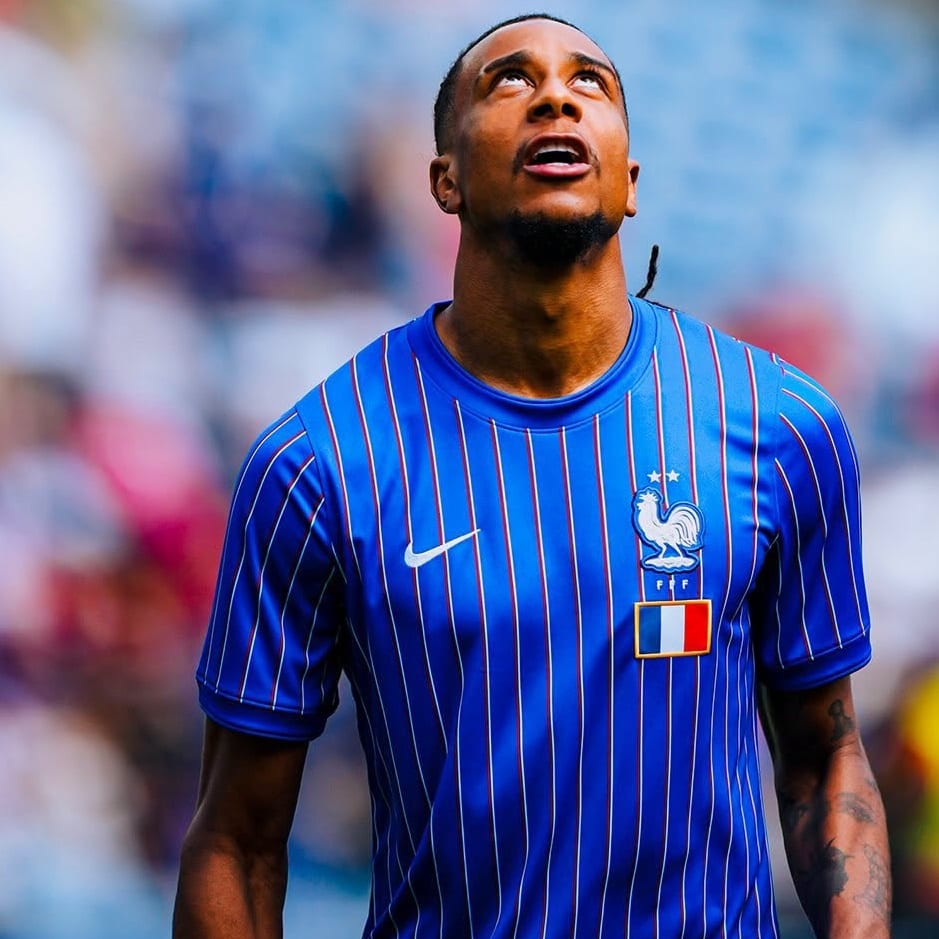
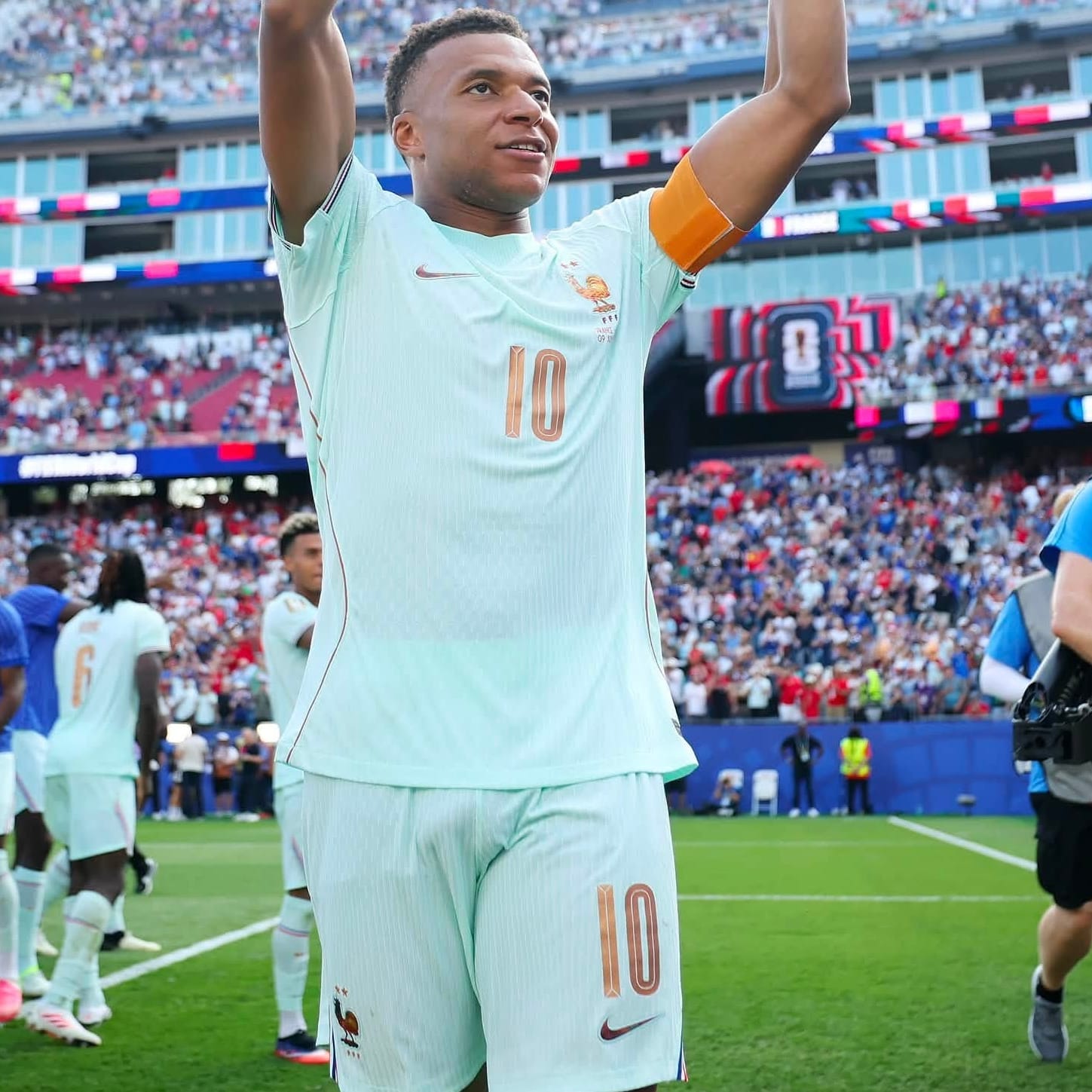
France (26.58) are the youngest of the traditional powerhouses, a number that looks almost impossible given the depth of talent at manager Didier Deschamps' disposal. Kylian Mbappe (27), Ousmane Dembele (29), Bradley Barcola (23), Desire Doue (21), Warren Zaire-Emery (20) are all under 30. The French pool is so deep that Rayan Cherki (22) and Maghnes Akliouche (24) are squad fillers rather than leading men. France are the rare team who can claim both the deepest talent pool and one of the younger squad averages among the top eight contenders.
Germany (27.54) reflect coach Julian Nagelsmann's deliberate project. Florian Wirtz (23) is the jewel of the squad and arguably the best player, while Jamal Musiala (23) has cemented his status as one of the world's elite midfielders. The spine of Manuel Neuer (40) and Joshua Kimmich (31) provides experience, but the average age reveals a squad that is predominantly early-to-mid 20s, exactly where Nagelsmann wants it.
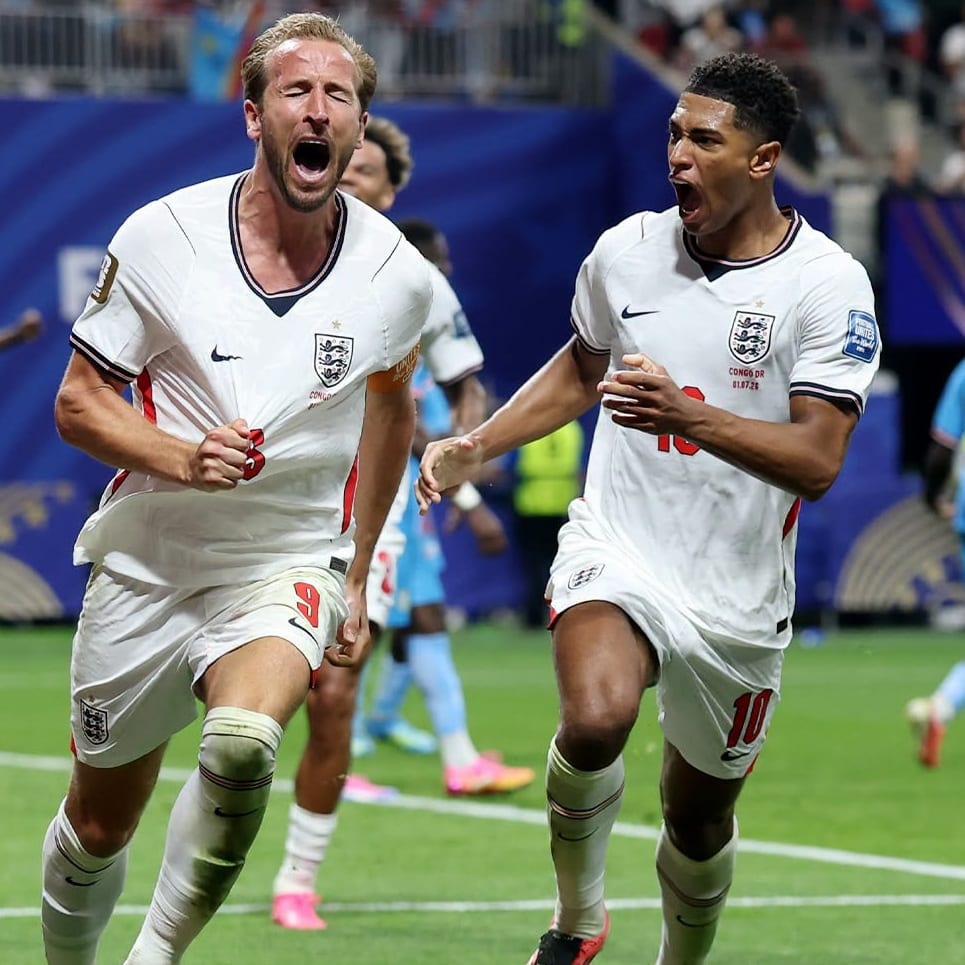
England's (26.62) average reflects manager Thomas Tuchel's preference for tried-and-tested players over untested youth. The Three Lions carry Jude Bellingham (22), Bukayo Saka (24), and Phil Foden's spiritual successor in Eberechi Eze (27) as their creative core, but the defensive unit is built around John Stones (32) and Jordan Pickford (32), and the midfield includes Jordan Henderson (35) as depth. England's age profile is balanced, neither a youth project nor a veterans' tour, but a squad assembled to win now.
Portugal (27.54) carry the most intriguing internal tension in the tournament. Cristiano Ronaldo (41) is the 26th player on the squad and the oldest outfield player at the entire competition, yet coach Roberto Martinez has surrounded him with a crop of players in their 20s, Francisco Conceicao (23), Joao Neves (21), Nuno Mendes (23), Goncalo Ramos (24), who represent the genuine future of Portuguese football. The squad is, in practice, a transitional generation already fully formed, with Ronaldo as both marketing asset and emotional centerpiece.
The Netherlands (27.27) are built on a cohort born almost entirely between 1991 and 2002, with Virgil van Dijk (34) the one genuine elder statesman. Manager Ronald Koeman has assembled a squad that peaks in the late 20s, Tijjani Reijnders (27), Cody Gakpo (27), Ryan Gravenberch (24), Teun Koopmeiners (28), which represents ideal tournament timing. The Dutch are old enough to know how to win but not yet old enough to be declining.
The contenders' age profiles at a glance:
| Nation | Avg Age | U23 | 30+ |
|---|---|---|---|
| France | 26.58 | 5 | 7 |
| England | 26.62 | 4 | 8 |
| Spain | 26.19 | 5 | 6 |
| Germany | 27.54 | 5 | 7 |
| Netherlands | 27.27 | 4 | 6 |
| Portugal | 27.54 | 5 | 8 |
| Brazil | 28.65 | 3 | 11 |
| Argentina | 28.62 | 2 | 9 |
A Tournament at the Crossroads of Generations
Across 48 squads and 1,248 players, the 2026 World Cup lands at a precise and unrepeatable moment in the game's history. The overall tournament average of approximately 27.5 years is not just a number, it is a snapshot of world football in transition, taken at exactly the point where two eras are trading places in real time.
On one side of that transition sit the nations building for the future. Spain, Ivory Coast, Ecuador, Morocco, and France are not projects in progress, they are already here, already competing for the biggest prize in the sport, and they will still be here in 2030. The age data makes clear that the next decade of international football does not belong to anyone yet. It is still being decided on these pitches.
On the other side sit the nations saying goodbye. Lionel Messi (38) and Cristiano Ronaldo (41) are the most obvious symbols of an era ending, but the story runs deeper than two men. Brazil's core of veterans in their mid-30s, Iran's 16 players aged 30 or above, Panama's squad with nobody under 24, these are groups of players who qualified for a World Cup together, fought through a cycle together, and now have one final opportunity to leave something behind before the window closes permanently. For many of them, this is not just another tournament. It is the last one.
What the age table also confirms, perhaps more quietly, is that the expanded 48-team format has made room for both extremes in a way that 32 teams never could. Nations like Cape Verde, whose 40-year-old goalkeeper Vozinha is playing in his last major competition, sit in the same bracket as squads built almost entirely around players born after 2000. The tournament is genuinely global now, and genuinely all-encompassing in what it represents, first appearances and final curtain calls, generational debuts and farewell tours, all compressed into six weeks across three countries.
The youngest player on any pitch this summer will be Mexico's Gilberto Mora, 17 years old and playing on home soil in front of his own country. The oldest will be Scotland's Craig Gordon, 43 years old, a man who has been a professional goalkeeper for as long as some of his teammates have been alive. 25 years and a dozen birthdays separate them, yet they share the same tournament, the same stage.
That gap is, in its own way, the whole story of the 2026 World Cup before a ball has been kicked.