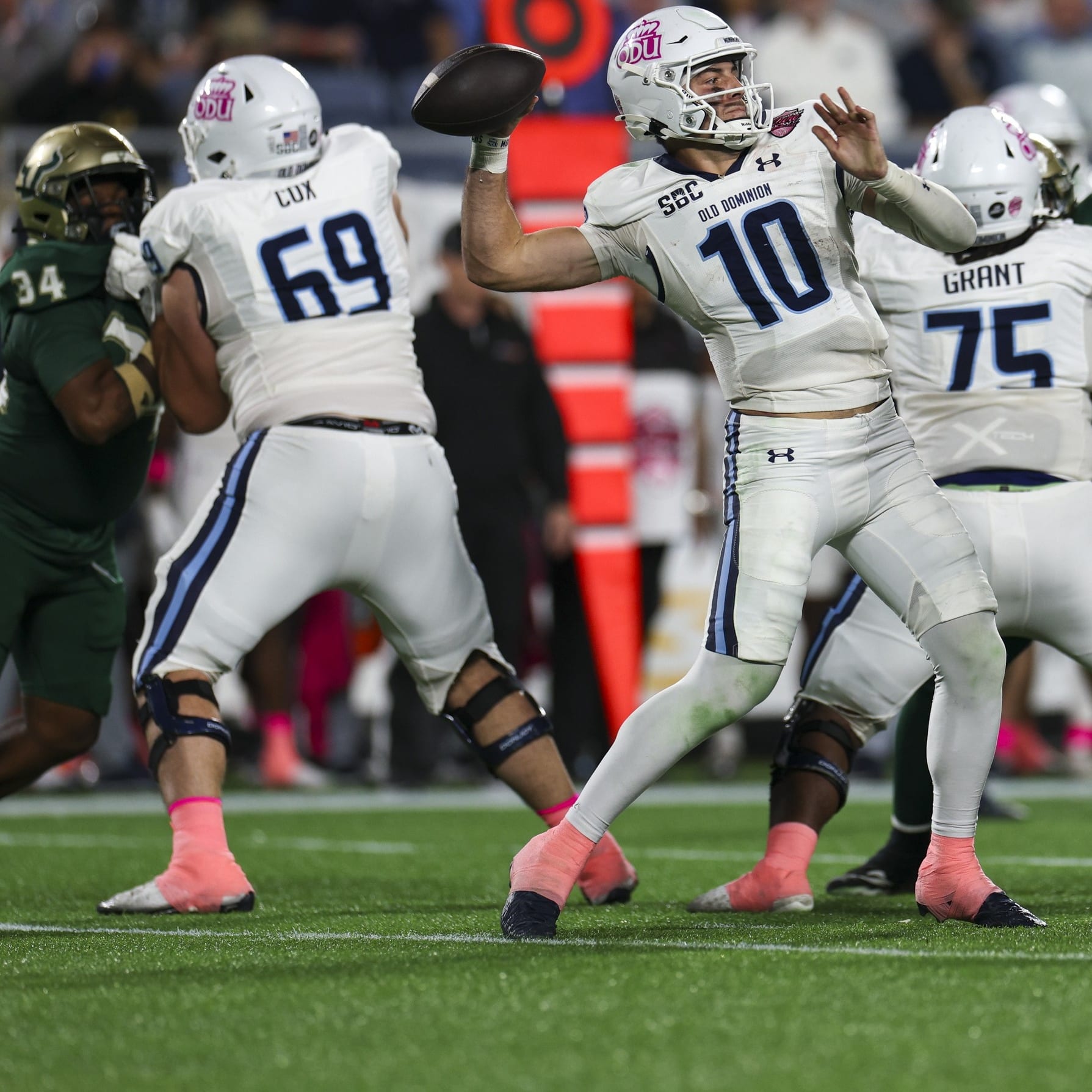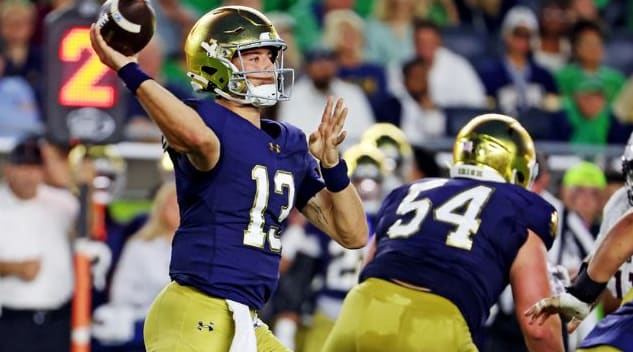
College football doesn't take an offseason on social media, and this summer's follower data shows exactly which programs turned momentum into a bigger audience.
Using Instagram and X follower counts for each program's official team accounts, RotoWire tracked percentage growth from the end of the 2025 season through July 7 to build a social media power ranking for FBS programs. The result is a clear picture of which fan bases are buying in the most right now, months before a single snap of the 2026 season at US sportsbooks.


Indiana Runs Away With It
The  Indiana Hoosiers sit at No. 1, and it isn't particularly close. Indiana posted 43.394% growth across Instagram and X since the season ended, more than five times the growth rate of the No. 2 team. The Hoosiers rode a breakthrough 2025 season into national relevance and a national title, and that attention hasn't faded with the calendar. Programs typically see engagement cool off once the games stop, but Indiana's offseason numbers suggest a fan base that's still actively finding and following the team, not just holding steady with people who already knew about it.
Miami, Northwestern and Wake Forest Round Out the Top Tier
Behind Indiana, the next tier is bunched tightly. The Miami Hurricanes checked in at No. 2 with 8.447% growth, followed closely by Northwestern at 8.372% and Wake Forest at 7.317%. None of those three played a game in the tracked window, which makes the growth notable.
Miami's jump comes with 15 spots of movement in year-over-year positioning, a sign that recruiting buzz, coaching storylines or roster news kept the Hurricanes in the conversation.
Northwestern (up six spots) and Wake Forest (up 12) tell a similar story on a smaller scale: programs picking up incremental audience even in a quiet part of the calendar.
Top-rated mobile sports betting apps have begun ramping things up when it comes to unique NCAAF-themed bonuses, boosts and sportsbook promos.
Ole Miss and Cal Post Steady Gains
Ole Miss (5.673%) and Cal (5.596%) round out the top six, both landing in the mid-single-digit growth range that separates the surging mid-major and Group of Five-adjacent programs from the traditional bluebloods, most of whom weren't among the fastest growers simply because their follower bases are already massive.
Growth rate rewards momentum and news cycles more than it rewards existing scale, which is part of why this list skews toward programs with a specific storyline rather than the sport's usual headline names.
The Biggest Movers
A handful of programs stand out for how far they climbed compared to where they sat previously.  Cincinnati jumped 38 spots to land at No. 12 with 4.447% growth, the largest positional gain in the top 15.
 Purdue wasn't far behind, climbing 29 spots to No. 14 (4.016%), and
  Georgia Tech moved up 20 spots to No. 11 (4.450%).
SMU also continues its rise, up 18 spots to No. 8 (5.208%), consistent with the Mustangs' upward trajectory since joining the ACC. Those swings suggest social growth isn't purely tied to blueblood status. Fresh storylines, whether it's a coaching hire, a transfer portal splash or a strong finish to the previous season, can move the needle fast.
A Few Fallers
Not every program in the top 15 trended up.  Vanderbilt slipped five spots to No. 7 despite still posting healthy 5.289% growth, while
  Texas Tech (down three, No. 9), USC (down two, No. 10) and Syracuse (down 10, No. 13) all saw their relative rankings dip even as their follower counts still grew.
That's a reminder that this is a relative ranking: standing still, or growing slowly, is enough to fall behind if the rest of the sport is accelerating.
What It Means Going Forward
Social media growth in the dead of the offseason is one of the clearer real-time signals of fan engagement available before preseason polls and win totals start shaping the conversation. Indiana's runaway lead reflects a program that fully cashed in on last season's success, while the wave of climbers in the back half of the top 15, Cincinnati, Purdue, Georgia Tech and SMU among them, suggests a set of programs building audience ahead of what could be a bigger 2026.